Why Self Compassion Helps You Bounce Back
Self-compassion isn’t a fancy gadget or a secret sauce—it’s a way to treat yourself like a decent human being when you mess up. It’s not about excuses or waving a magic wand; it’s about choosing kindness when your inner critic goes full drill sergeant. Ready to give your brain a gentler glare? Let’s dive in.
What Self-Compassion Actually is (spoiler: it’s kinder than you think)
Self-compassion is fairly simple in concept, but big in impact. It means treating yourself with the same warmth, understanding, and support you’d offer a friend. When you stumble, you don’t pile on guilt; you respond with care, curiosity, and a plan to move forward. It’s not weak—it’s powerful. It helps you bounce back faster and stay motivated without burning out.
Why it Matters: The Brain Loves Kindness

Our brains aren’t big fans of harsh self-criticism. When you criticize yourself, your brain lights up in a way that mirrors physical pain. Self-compassion flips the switch: it reduces stress, boosts resilience, and makes goals feel achievable rather than punishing. It’s the friend who tells you, “Yeah, that sucked, but you’ve got this,” and then helps you figure out what to do next.
Three Core Ingredients you can Actually Practice
- Self-kindness: Talk to yourself like you’d talk to a loved one who just had a rough day. Soften the judgment and offer warmth instead of blame.
- Common humanity: Remember you’re not alone in messing up. Everyone trips; it’s part of being human. You’re in good company, not a freak show.
- Mindful awareness: Notice your thoughts without getting swallowed by them. Name what you feel, observe it, and then decide what to do next instead of spiraling.
How to Start Practicing Today (simple steps you can actually stick with)

- Catch the moment: When you notice a slip-up, pause for 10 seconds and name what happened. Don’t skip this step to avoid discomfort—feel it, then decide.
- Ask a kind question: Instead of “Why am I so stupid?” ask, “What can I learn from this?”
- Write a note to yourself: Jot down one sentence of encouragement. It can be as goofy as “You’ve got this, champ.”
- Take a tiny reset: Do 60 seconds of box breathing, stretch, listen to an uplifting song or have a glass of water. Small resets keep momentum without burning you out.
When Self-Compassion feels Tricky
It’s okay if your first attempts feel awkward. You might worry that being kind to yourself excuses laziness or that you’ll slip into self-indulgence. Not true. Self-compassion is not about zero standards; it’s about sustaining effort with less self-punishment. You’ll still want to grow, but you’ll grow from a kinder baseline.
A closer look at the inner critic
Your inner voice can be loud, unfair, and dramatic. Here’s how to calm it without muting your ambition:
- Call out the tone: Is this a helpful thought or a mean one?
- Replace doom with curiosity: “What’s one small thing I can do next?”
- Make the critic answer to you, not the other way around: set boundaries for your self-talk.
Self-compassion in action: everyday examples
Think about the common moments: a failed workout, a missed deadline, a forgotten birthday. Instead of berating yourself, try:
- Workout: “I’m proud I showed up today. Tomorrow, I’ll adjust the plan so it fits better.”
- Deadline: “This happened. I’ll communicate honestly and reorganize my timeline.”
- Forgotten date: “I’m human. I’ll set a reminder and plan a thoughtful gesture soon.”
Self-Compassion vs. Self-Esteem: What’s the Difference?

Self-esteem rests on external measurements—wins, looks, praise. Self-compassion rests on internal steadiness. It’s not about feeling superior; it’s about treating yourself with dignity regardless of outcomes. If self-esteem can wobble when you fail, self-compassion keeps you upright and moving. It’s a healthier foundation for long-term happiness and success.
The science-y bit, in plain English
Research shows that self-compassion correlates with lower anxiety, less shame, and better emotional regulation. It activates brain areas involved in self-soothing and reduces the inflammatory response tied to stress. Translation: kinder thoughts literally make your body calmer. If you want the nerdy details, yes, there are fMRI studies and longitudinal data—but the takeaway is simple: treating yourself with care helps you handle life better.
Self-Compassion in Relationships
When you’re gentler with yourself, you become nicer to others too. You’re less prone to snapping, more capable of listening, and better at apologizing. It’s like a goodwill upgrade for your social life. People notice when you show up with steadier energy and fewer emotional blow-ups.
Boundaries and boundaries—how do they fit?
Self-compassion doesn’t mean you tolerate bad behavior from others. It means you respond to yourself with care while also protecting your time and values. Practically: you can be kind to yourself while saying no when something isn’t right for you.
FAQ
What’s the fastest way to practice self-compassion?
Pause, acknowledge the feeling, and offer one kind sentence to yourself. It can be as simple as, “This is hard, but I’ll get through it.” Consistency matters more than intensity.
Is self-compassion selfish? Won’t I become complacent?
Not at all. Self-compassion fuels resilience, not laziness. It helps you show up with more energy, focus, and generosity toward others. You’re not abandoning standards—you’re resetting them in a healthier way.
How is self-compassion learned?
Practice, patience, and prompts help. Try a daily 2-minute exercise where you write a compassionate note to yourself after a tough day. Over time, your brain starts defaulting to kinder patterns.
Can self-compassion improve mental health?
Yes. It’s associated with lower anxiety, reduced shame, and better regulation of emotions. It’s not a cure-all, but it’s a reliable ally in managing stress and mood.
Do I have to give up accountability?
Nope. You can hold yourself accountable with kindness. Acknowledging a mistake and learning from it works better when you’re not shoveling guilt on top of it.
Putting it all Together: Your Practical Starter Kit
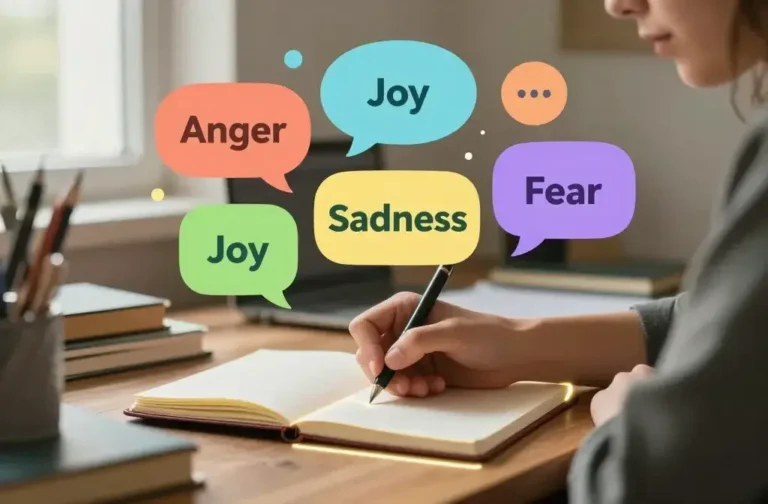
- Keep a 5-minute self-compassion journal: note what happened, how you feel, and one kind action you’ll take.
- Set a daily reminder: “Be kind to yourself today.” Read it every morning.
- Try a compassion check-in with a friend: share a tough moment and offer each other non-judgmental support.
Conclusion
Self-compassion isn’t fluff; it’s a practical, powerful approach to living with a bit more grace and a lot less self-inflicted drama. It helps you handle slip-ups with curiosity, bounce back faster, and stay connected to your goals without burning out. So next time you mess up, don’t double down on punishment—try a little kinder response. Your future self will thank you, and so will your present relationships. It’s one of the wisest moves you can make this year.