The Impact Of Social Media On Self-Esteem
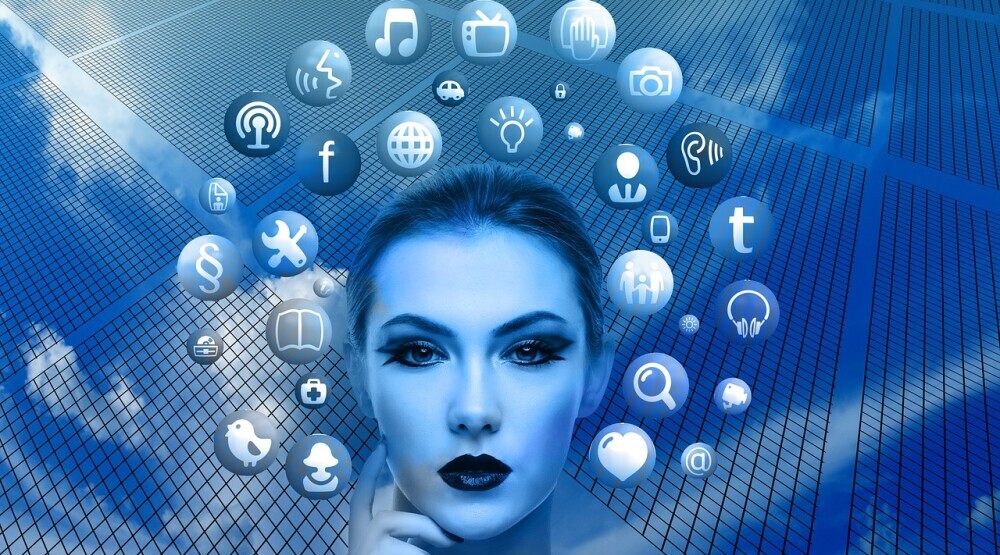
Social media feels like it runs our lives a bit, doesn’t it? Checking our phones first thing in the morning or scrolling endlessly at night. It’s like these platforms have become this everyday ritual for us. We went from connecting with family & friends to seeing what celebs are up to, comparing our lives to theirs and our peers. It’s neat to feel plugged into these lives through our screens but let’s not kid ourselves about the flipside.
We need to get real about self-esteem here. This psychological stuff matters more than how many likes we get. Self-esteem is all about how we see ourselves, our confidence, self-worth. You know, the good stuff. But sometimes, social media can trip us up. Seeing everyone’s highlight reels can mess with our heads!
I just wanna chat about why this connection is a big deal. Those constant updates and stories can make us do the unhelpful ‘compare and despair’ dance. It’s like everyone’s life is on display, looking perfect and shiny, while ours feels a little… meh. That’s where the self-esteem drop-off sneaks in.
Ever find yourself wondering why? Well, it’s got tons to do with how we engage with all those curated feeds and flawless selfies. When we’re bombarded by these filtered versions of life, it sets the bar impossibly high. It’s psychological. Pretty soon, we start doubting ourselves, wondering if we measure up.
But hang on, it’s not all doom and gloom. Being aware of how social media impacts our self-esteem is just the first step in taking back control. Recognizing the triggers, knowing how to set boundaries, and actively choosing what we consume can shift the tide. It’s all about balance and building resilience, so we stay the boss of our own self-esteem.
Analyzing the Negative Impact: Studies and Evidence
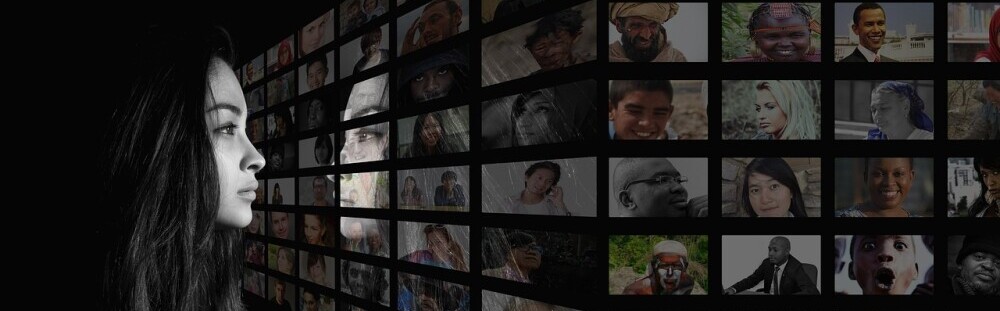
Decoding the science behind social media’s effect on us can be an eye-opener. Research by Bergagna & Tartaglia found that higher social media usage correlates to lower reported self-esteem and life satisfaction. Yup, the findings make it clear – there’s a link between social media and self-esteem issues, showing how our online habits can really shake our confidence.
But why do these platforms have such a grip? It’s all about the psychology at work here. Social media functions almost like a mirror, reflecting not only how we see others but how we see ourselves. When interaction boils down to likes, comments, and follower counts, it’s like our self-worth is pegged to these numbers.
Social comparison is a big deal. Ever notice the mindless scrolling turning into comparing who’s got the better life? This theory highlights how gauging our success against everyone else’s online image can drag our self-esteem down. Comparing someone’s ‘best day’ to our ‘everyday’ isn’t a fair game, yet it’s one we all fall into.
Then there’s cyberbullying and online harassment. It’s real, and it’s ugly. For those who’ve been targeted, the phrase ‘sticks and stones’ loses meaning. The internet, without a face-to-face connection, can brew toxicity that lingers and gnaws at self-esteem. People often underestimate these online injuries, but they cut deep.
As we navigate this digital landscape, being aware of the negative aspects is vital. By understanding how these elements play out, we empower ourselves to be more mindful about our interactions online. It’s not just about recognizing the harm but also taking active steps towards protecting our mental space.
Personal Experiences and Societal Impacts
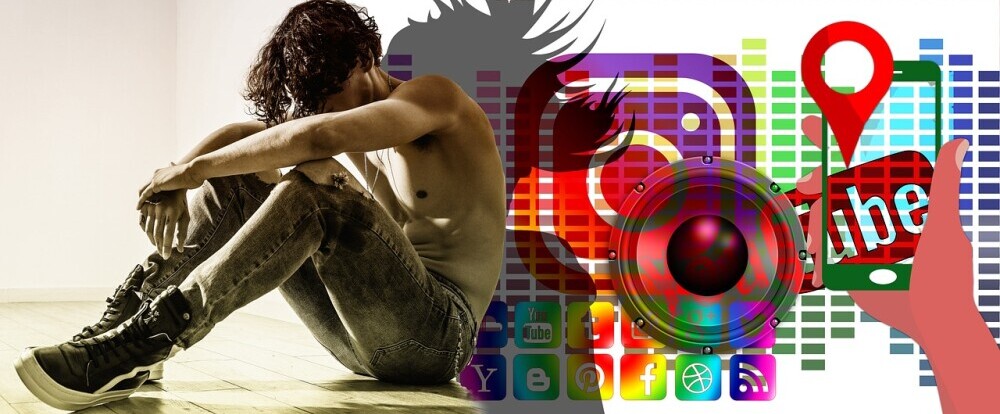
Let’s talk about real people and real stories, the stuff you don’t always see in studies and stats. Picture scrolling through your feed, stumbling on a friend’s vacation pictures, or someone flaunting their new car. Seem familiar? These curated moments can lead us away from reality, spiraling into this weird mix of envy and anxiety.
It’s not just an individual battle either. Society as a whole feels this. With everyone caught up in projecting perfection, we wind up grappling with a metric-driven self-worth. Teens and young adults, those still shaping who they are, often catch the brunt of this impact. They’re finding their place in the world and the online narrative sometimes messes with that journey. S. Auld found that spending all this time on social media means spending less time offline and thus missing out on building confidence through meaningful activities and connections like we used to.
What about those who bravely share their personal battles? Their stories highlight how easy it is to feel pushed aside or undervalued because of online experiences. These accounts bring to light the profound ways social media shapes our perceptions and emotions. It’s the culture of likes and shares that sometimes hits us where it hurts most – right in our self-confidence.
And let’s not overlook how the media plays its part. The picture-perfect ideals are not just in ads but infiltrate our everyday feeds, restating societal norms about beauty, success, and happiness. Challenging these skewed portrayals involves us pressing pause and questioning those narratives. It’s about deciding for ourselves what’s genuine and what aligns with us.
Tapping into these experiences isn’t just about soaking in the negatives. It’s a spotlight on recognizing the intricate dance between our digital life and self-perception. When we truly grasp that, we can better filter what hits home personally, ensuring our self-esteem remains unscathed.
Strategies to Combat Social Media’s Negative Effects on Self-esteem

We’ve got to arm ourselves with smart strategies to dodge social media’s traps on our self-worth. It starts with setting healthy boundaries. Carving out those ‘no-phone zones’ or times during your day can really help in stepping back from the digital noise. Maintaining a balance is key to staying grounded.
Being selective about who we follow is crucial, too. Curating your feed to focus on positive influences, accounts that inspire and uplift, can transform how you view the virtual world. Because social media is so widespread there are so many positive accounts to follow and connect with. Many will find comfort and connection only through online sources. Be selective and think critically about what the creators you follow are saying. Muting or unfollowing negative content may sound harsh, but your mental health thanks you for it. I find that the less I scroll through my “for you” page, the less negativity I feel from social media usage. Curate your own usage.
Think about how you’re interacting in these digital spaces. Are you mindlessly scrolling or engaging with meaning? Be intentional. Instead of letting these platforms dictate how you feel, approach them with a critical eye.
Working on self-validation rather than seeking it online helps too. When we rely less on the number of likes to define our best life moments, we naturally reduce that sense of inadequacy. Understanding that our worth comes from within, not from the outside world, is a step in the right direction.
Remember, changing the way we use social media involves conscious effort. Leverage it for connecting genuinely, learning new things, and even sharing your real self. It’s all about making social media work for you, not against you.
Building Resilient Self-Esteem: Long-term Solutions and Resources
Building self-esteem isn’t a snap-your-fingers situation. It takes commitment and effort, but the payoff is totally worth it. Focusing on a healthy self-image means appreciating your own unique style and skills without needing validation from someone else’s Instagram feed. Do some research on increasing your self-esteem. One book my therapist recommended me was The Six Pillars of Self-Esteem by Nathaniel Branden. Start trying some of the practices and eventually you’ll start feeling better. Increasing self-esteem isn’t an overnight thing.
Emotional resilience is a biggie. Life throws curveballs — digitally or physically — and bouncing back is what matters. Practicing self-compassion is a way to start. Being kind to ourselves even when social media makes it difficult can buffer against negativity. Try giving yourself Grace, everyone makes mistakes, you are allowed to too!
Finding support is also key. Whether it’s turning to friends, family, or professional networks, don’t hesitate to reach out when your confidence takes a hit. There are a gamut of resources out there, from mental health hotlines to online communities focused on positivity and growth. Just make sure you don’t get lost in the social media scroll when you go to these online platforms.
Fun fact — technology can actually boost self-esteem rather than harm it. Tuning into online platforms that promote wellness, mindfulness, or even guided journaling can give introspective insights and bolster one’s sense of self. Use social media for good.
At the end of the day, self-esteem is about control: controlling how much you let external influences seep in and how you affirm your own worth. Embrace the tech in ways that nourish your spirit rather than detract from it, and your self-esteem will follow suit.