Self-Compassion in Moments of Distress: a Practical Compass
The moment distress hits, most of us instinctively do a victory lap for our inner critic. You know the drill: you rush to judge, scold, or erase the shaky parts of you. But what if we flipped the script? What if self-compassion showed up not as a soft pillow but as a sturdy compass guiding you through the mess?
Here’s the thing: distress is loud, messy, and ever so dramatic. Self-compassion isn’t about pretending nothing’s wrong or slapping a smile on a bruise. It’s about giving yourself real human kindness when you need it most. Let’s learn how to dial that in—without drama, without guilt trips, and with a little humor sprinkled in.
What Self-Compassion actually looks like in the Moment
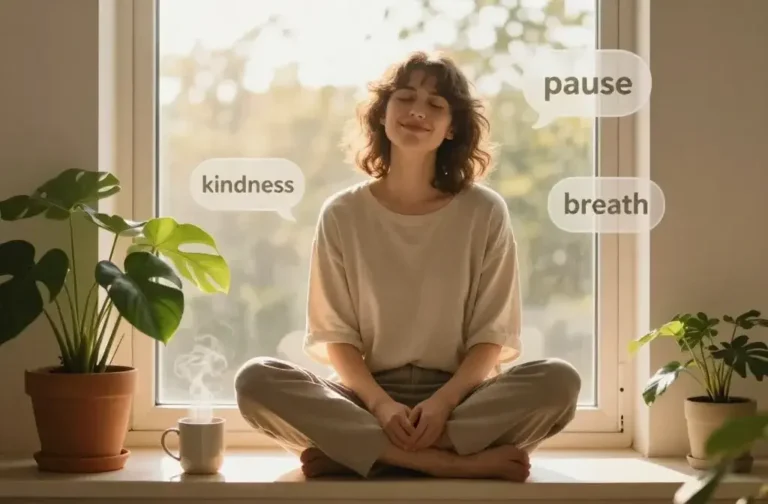
– You pause before you react. You notice the storm in your chest and decide to stay curious instead of vicious.
– You speak to yourself like you would to a good friend who’s hurting. Kind, steady, and a touch honest.
– You do the smallest, practical thing you can manage right now, even if that thing is “breathe.”
Self-compassion is not fluff. It’s a practical toolkit for emotional survival that helps you stay grounded long enough to choose what to do next. It’s the difference between spinning out and taking a breath, between spiraling into “I’m a failure” and thinking, “This hurts, and that’s okay.”
Three Modes your Brain loves during Distress

1) The Safety Mode
When distress hits, your brain screams, “Threat!” Your safety mode wants you to run, hide, or crash hard. Self-compassion nudges in and says, “Let’s check the thermostat first.” Breathe, name the emotion, and notice bodily signals. It’s not about denying danger; it’s about signaling to your nervous system that you’re not alone in this.
2) The Critic Mode (Yes, it’s loud)
We all hear that mean inner voice. The trick isn’t to silence it with a megaphone of positivity. It’s to acknowledge it without letting it run the show. Try naming the critique: “Okay, inner critic, I hear you. You’re worried about x. I’ll handle this with care.” This reduces its power and frees you to respond, not react.
3) The Caregiver Mode
This is the counterbalance. The caregiver mode says, “Hey, you’re doing your best. It’s okay to struggle. I’ve got you.” It’s gentle, practical, and grounded in reality. This is where self-compassion starts feeling less fluffy and more like a reliable friend.
Practical steps you can use right now
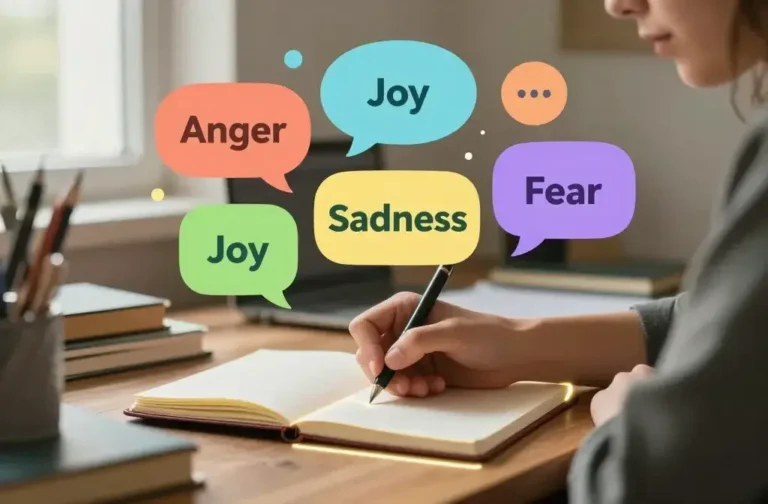
- Name the feeling: Put labels on the wave—anger, fear, disappointment. It loosens its grip.
- Ground yourself: Feel your feet on the floor, notice the air in your lungs, and sip water if you can.
- Speak to yourself kindly: Replace “I’m ruined” with “This is tough, and I can handle some of it, one step at a time.”
- Offer a tiny, practical relief: Step outside, text a friend, write down one sentence you can tolerate reading later.
- Set a tiny boundary: Decide what you won’t do right now (e.g., avoid doomscrolling for 15 minutes).
Why Self-Compassion Beats Self-Criticism in Distress

When distress surges, self-criticism often escalates the storm. It’s like pouring gasoline on a bonfire. Self-compassion, on the other hand, reduces the heat and buys you time to respond thoughtfully. It doesn’t erase the pain, but it shifts your relationship to it. Think about it—when someone’s already hurting, gentle honesty lands a lot better than harsh words.
– It lowers cortisol and calms your nervous system more effectively than berating yourself.
– It boosts resilience by creating a safe space to experiment with coping strategies.
– It preserves your energy for action, not punishment.
The power of a compassionate self-talk script
Having a go-to script can feel a little cheesy, but it’s surprisingly effective. Here’s a simple template you can tailor:
– “This is hard. It’s okay to struggle.”
– “I’m not the kind of person who handles everything perfectly, and that’s okay.”
– “What would I say to a friend in this situation? I’ll say that to myself.”
– “I’ll do one small thing right now that helps, even if it’s tiny.”
You don’t have to memorize the exact lines. The point is to replace the autopilot harshness with something that acknowledges the pain and invites a gentle response. FYI, there’s real science behind this: self-compassion exercises routinely improve mood and reduce rumination.
In the Middle of a Meltdown: Micro-Actions that Help

– Grounding quick wins: name five things you see, four you hear, three you feel, two you smell, one you taste.
– Gentle movement: stretch shoulders, roll your neck, take a slow walk.
– Reassuring self-talk: “I know this is temporary, and I’ll get through it.”
– Reach out: a quick text to a friend, or a voice note to yourself to listen later.
These aren’t magic bullets, but they create enough steadiness to keep you from diving into a full-on spiral. And yes, you can do them even if you feel exhausted or overwhelmed.
How to Cultivate Self-Compassion as a Practice, not a Reaction
– Create mini rituals: a 60-second pause at the top of distress, a 3-breath reset, or a small note on your fridge that says, “You’ve got this, one step at a time.”
– Practice with low-stakes moments: fatigue after a long day, a minor setback, or a boring meeting. Practice there so it’s easier to bring into bigger storms.
– Journal with warmth: write as if you’re talking to a friend. Include what you did well, what you’re worried about, and what you’ll try next.
– Use prompts: “What would I tell someone I love who feels this way?” Let that answer guide how you treat yourself.
– Build a supportive environment: people, routines, and spaces that reinforce care rather than judgment.
FAQ
Q1: Is self-compassion the same as self-indulgence?
Self-compassion is not about letting yourself off the hook or avoiding responsibility. It’s about giving yourself the patience and support to respond thoughtfully. It’s a sustainable base, not a quick fix.
Q2: Can self-compassion really change how I feel in the moment?
Yes, it can. It reduces the intensity of negative emotions by lowering defenses and creating space for adaptive coping. It’s like giving your nervous system a gentle timeout, so you can decide what to do rather than react impulsively.
Q3: I’ve tried being nice to myself and it didn’t help. What now?
That can happen if the approach feels forced or insincere. Try changing the voice you use, or the context (instead of “I’m terrible,” try “This is really hard, and I’m here for myself”). Pair self-compassion with small action steps. Sometimes the body needs the win of a small success to shift the mood.
Q4: How long does it take to feel the benefits?
It varies. Some people notice changes in days; others take weeks. Consistency matters more than intensity. Regular, tiny acts of self-kindness compound.
Q5: Can self-compassion help with chronic distress or anxiety?
Absolutely. It’s a foundational tool that reduces chronic reactivity and improves emotional regulation. It’s often most effective as part of a broader plan that might include therapy, exercise, sleep, and nutrition.
Conclusion
Self-compassion in moments of distress isn’t a gimmick or a soft-sell pep talk. It’s a practical, human-moment strategy that helps you stay present, choose, and move forward with a little more grace and a lot less self-darling punishment. When the chips are down, you don’t have to go it alone or punch your way through. You can pause, care for yourself, and take the next small step with clarity and courage.
If you remember one thing, let it be this: treating yourself with kindness doesn’t erase the pain. It changes how you meet it. And meeting it with a steady, warm, human voice? That’s how you turn distress into a path forward rather than a wall you slam into. It’s one of the kindest, bravest things you can do for yourself today.