Period Self Care Routine Ideas for Comfort and Relief
When those cramps hit like a marching band, you deserve a personalized reset button. Treat your body with the care it deserves. Grab a mug, settle in, and let’s map out a comfort-first period self care routine that actually sticks.

Tune into your body: The mindset shift that helps
Feeling in control starts with a quick mental reset. Before you reach for a pill or a blanket fort, ask yourself: what does my body want today? Sometimes it’s heat and hydration; other times it’s quiet and rest. Listening to your body’s signals is not weakness—it’s smart self-care.
Heat, Hot and Happening: The go-to comfort trio
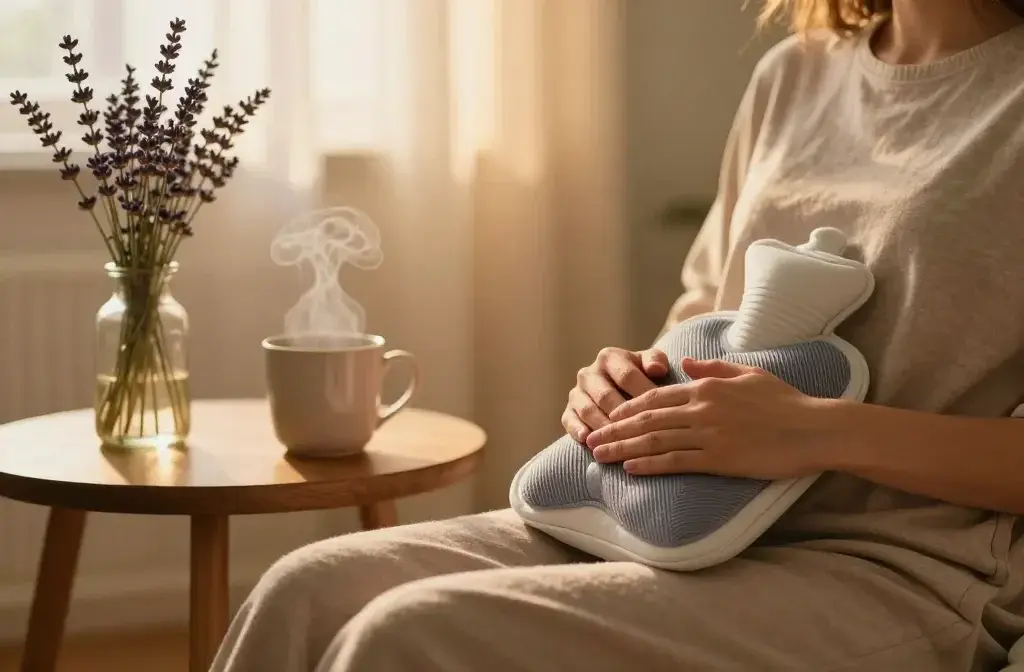
Heat is basically your best friend during a period. It soothes cramps, eases tension, and can boost mood faster than you can say “ugh, not again.”
- Heat sources: a heating pad, hot water bottle, or a warm bath.
- How to use it: place heat on the lower abdomen or lower back for 15–20 minutes, then switch or rest as needed.
- Safety note: never sleep with a heating pad on high. Keep a barrier like a thin towel if you’re worried about skin contact.
Hot Bath Vibes
A long soak with Epsom salts can feel luxurious and help relax muscles. Add a few drops of lavender or peppermint if you like a little aromatherapy. Do you really need more reason than soaking away cramps while listening to your favorite playlist? Yes please.
Hydration and Nourishment that actually helps
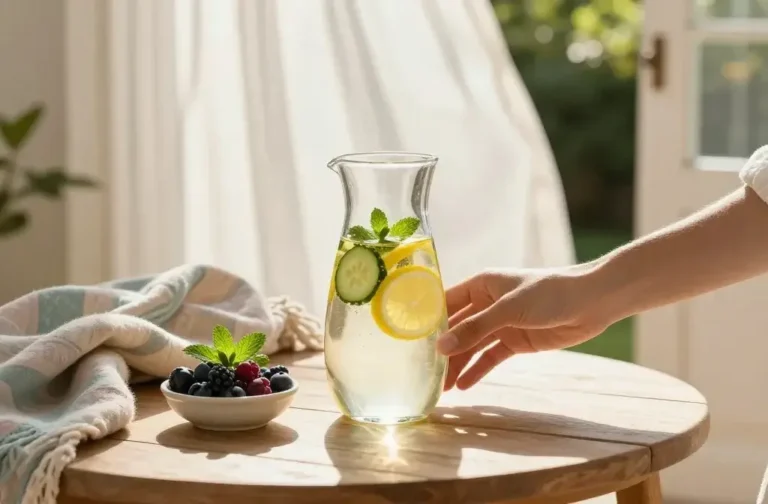
Water and nutrition aren’t glamorous, but they’re essential. Dehydration can intensify cramps, bloat, and headaches, so keep a bottle handy. And yes, snacks count as self-care—especially if they’re comforting and balanced.
- Water goals: sip regularly, even if you don’t feel thirsty.
- Smart snack ideas: bananas, yogurt with berries, a handful of nuts, or whole-grain toast with nut butter.
- Small meals: frequent, easy-to-digest options beat big meals that sit heavy.
Electrolytes without the fuss
If you’re losing fluids from sweating or heavy periods, a splash of electrolyte powder or coconut water can help. You don’t need to go full electrolyte nerd, but a little boost can prevent dizziness or brain fog. FYI, hydrate and snack in tandem—brain needs fuel too.
Nurturing movement: Gentle, not brutal
Movement can ease cramps and improve mood, but don’t go full CrossFit if you’re in discomfort. Think light, consistent, and doable.
- Gentle options: a 10–15 minute walk, slow yoga, or a relaxed stretching routine.
- Core idea: keep it low-impact and enjoyable. Pain is a signal to pause, not push through.
- Breathing helps: try slow, deep breaths to calm the nervous system while you move.
Flow-friendly stretches
Try a pelvic tilt, cat-cow, and a seated twist to release tension in the lower back and hips. Do each for 30–60 seconds, then check in with how your body feels. If something hurts, skip it and try a gentler variant.
Cozy tech-free respite: Sleep, rest, and reset
Sleep can feel like a negotiation during your period, but rest is non-negotiable. Your body is rebuilding right now, so give it a break.
- Best sleep companions: dark room, comfy pillows, and a cool room temperature.
- Brief naps: 20–30 minutes can recharge you without making you groggy.
- Digital detox: limit screen time in the hour before bed to help you unwind faster.
Wind-down Rituals
A simple routine helps your nervous system shift into rest mode. Light stretching, a warm drink, a short journal entry, and dim lights can work wonders. Ask yourself: what would make the last hour of today feel cozy and safe?
Period Self-care Routine Toolkit: Snacks and non-negotiables
A well-stocked toolkit makes your routine feel effortless, not like a scavenger hunt.
- Comfort items: a soft blanket, fuzzy socks, your favorite mug, and soothing music.
- Period essentials: spare pads or tampons, period underwear, a heating pad, and a first-aid kit with pain relief options.
- Rituals that lift mood: a short journaling prompt, a gratitude note, or a favorite comedy episode.
Pain relief options (quick guide)
– NSAIDs work for many people, but only if you can take them safely. Always follow label directions.
– Acetaminophen is gentler on the stomach for some folks.
– Non-pharmacological: heat therapy, gentle movement, and rest.
When to lean on others: Communicating your needs
You don’t have to ride this wave solo. A quick text to a friend, partner, or roommate can unlock a lot of relief.
- Set expectations: “I’m not at my best today, can you handle X for a bit?”
- Share your routine: offering a simple plan can help others know how to support you.
- Ask for space when you need it: you deserve quiet time without judgement.
FAQ
Is there a “right” period self-care routine, or does it vary by person?
There isn’t a one-size-fits-all answer. Your cycle, pain level, energy, and daily responsibilities shape what works. Try a few approaches, keep what feels good, and ditch what doesn’t. It will change over time, so let it. Personalization beats perfection any day.
How can I manage cramps without turning my day into a slow-motion movie?
Start with heat and gentle movement, then layer in hydration and small, easy snacks. Break tasks into tiny steps and allow yourself rest breaks. If cramps spike, scale back activities and focus on comfort.
What foods are best during a period for comfort and relief?
Aim for balanced options: hydration, fruits and veggies, lean proteins, and whole grains. Bananas, yogurt, berries, nuts, and oats tend to feel comforting and easy on the stomach. FYI, spicy or very heavy meals can aggravate some people, so listen to your gut.
How do I talk to my partner or roommate about needing more rest?
Be honest and specific. Say what you need and what would help, whether it’s quiet time, help with chores, or a heat pad session shared as a break. A simple, open conversation can prevent resentment on both sides.
What if I have intense cramps or heavy flow that disrupts tasks?
If over-the-counter remedies and simple home care don’t help, consult a healthcare professional. Severe cramps, heavy bleeding, or symptoms that don’t improve deserve medical attention. You’re not overreacting.
Conclusion
Period self-care isn’t about fluff or magic fixes; it’s about giving your body the support it needs when it whispers, yells, or just sighs in relief. Build a toolbox you actually enjoy using, stay flexible, and remember: taking care of yourself is productive. You’ve got this, one cozy, comfort-filled day at a time. Let me know what has worked for you!