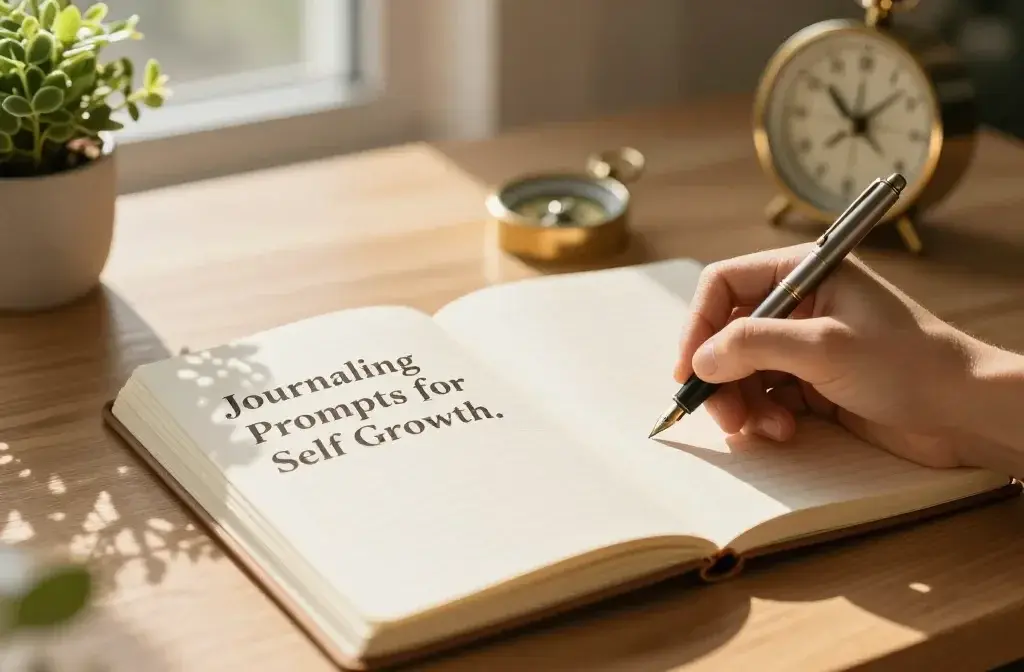
Journaling Prompts for Self Growth and Personal Clarity
Starting a journaling habit can feel like admitting you’re turning into a “serious thinker.” Spoiler: you already are. Journaling prompts for self growth and personal clarity give you tidy wins—more alignment, less noise, and a few jokes your future self will thank you for.
Why Prompts, Not Free-Writing Chaos?
Prompt-driven journaling gives you direction without chewing up time. Think of it as a GPS for your brain: it shows routes you wouldn’t notice otherwise. FYI, you don’t need to write full pages to get results. Short, honest entries work wonders when they hit the right questions.
Find Your Why: What’s your Personal Compass?
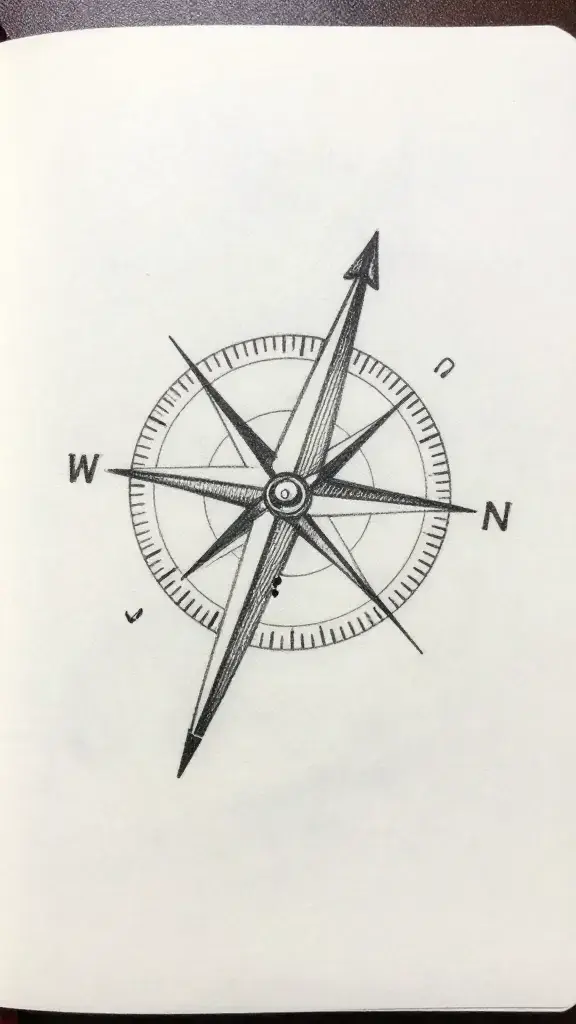
When you start, ask yourself why you’re showing up to the page today. That why becomes your north star for the session.
- What’s the one thing I want to understand about myself this week?
- If I had complete confidence, what would I do differently?
- Where am I pretending to be someone else, and why?
Deeper Dive: Core Values in 5 Minutes
– List your top 5 values.
– For each value, name one small action you can take this week to honor it.
– Notice which value you bend or break when stressed. This reveals your friction points.
Clarity Through Questions: Shaping your Narrative
Helpful questions can reframe a mess into a storyline you can actually manage.
- What is the smallest, most doable step I can take right now?
- What belief about myself would I like to revise?
- What fears am I carrying that aren’t based in reality?
Reframing Fears into Actions
When fear shows up, write it as a character in your story. Give it a name, a motive, and a scene. Then ask: what does this character need from me to calm down? You’ll often realize you’re the hero with better tools than you thought.
Habit Clarity: Turning Intentions into Routines
Prompts this section help you design routines that actually stick.
- What routine would make the biggest dent in my goals with the least friction?
- Which habit do I dread, and can I pair it with something enjoyable?
- What’s one tiny, non-negotiable action I’ll commit to for the next 7 days?
Tiny Habit Templates
– The One-Minute Jumpstart: write one sentence about a task you’ll do instantly after finishing your current task.
– The 2-Minute Exit: jot down two things you’ll stop doing because they waste time.
– The Gratitude Bridge: end each session with one thing you’re grateful for related to your progress.
Self-Compassion in Practice: Kindness as a Tool
Prompts should feel like a friendly chat with your best self, not a harsh drill sergeant.
- What would I tell a friend who feels this way?
- Where did I do my best today, even if it felt small?
- What’s one outdated rule about myself I can gently retire?
Self-talk Audit
Track your internal voice for a week. When you notice self-criticism, rewrite it as a compassionate note. Your brain will respond: more tolerance, less drama, better momentum.
Discovery Through Future Self Prompts

Imagine your future self has already solved today’s problems. What would they say?
- What would my future self tell me to prioritize right now?
- What decision would my future self regret not making?
- If I could fast-forward six months, what single change would make the biggest difference?
Letter From a Wiser Me
Try writing a letter from your future self. What does it celebrate about your growth? What warnings does it offer? Let the voice be kind but clear. It’s not magic—it’s perspective you can act on.
Actionable Prompts for Blocks and Breakthroughs
Every day won’t be a breakthrough, but prompts can unlock progress even on rough days.
- What’s the smallest credible step I can take toward my goal today?
- Which belief about myself is most often proven wrong by my actions?
- What’s one ritual that makes me feel ready to do good work?
The Momentum Menu
Create a menu of 5 quick prompts and rotate them. Keeping it fresh reduces burnout and keeps your curiosity alive.
FAQ
How long should I journal each day?
Write as long as you feel you’re getting value—often 5–15 minutes is plenty. Short, consistent sessions beat long, sporadic marathons.
What if I don’t have a lot of time or energy?
Use one-sentence prompts and a quick reflection. You’ll still harvest clarity without draining yourself. IMO, consistency beats depth on the bad days.
Can prompts actually change my life?
Prompts don’t magically rewrite your reality, but they surface patterns, push you to take action, and keep you accountable. That combination drives real change over time.
Should I share my journal with someone?
Sharing can help accountability, but protect your privacy first. If you do share, choose a trusted friend or coach who will offer constructive feedback, not judgment.
What if I dislike journaling formats?
Mix it up. Try voice notes, bullet lists, or doodles. The goal is clarity, not poetry class. FYI, you’ll find your groove when you experiment.
Conclusion
Journaling prompts aren’t a cage of rigid rules—they’re a toolkit for your brain. They help you uncover what actually matters, ditch the fluff, and act with intention. Start with a few prompts, keep it light, and watch your personal clarity sharpen over time. Ready to give it a try? Your future self is waving you in.