How to Turn Home Gardening Into a Fun Hobby
I’m not gonna pretend you have a green thumb from birth. You can fall in love with home gardening this weekend, and I’ll show you how to turn that spark into a full-blown hobby that sticks.
Find Your Why: What makes gardening fun for you?
– What are you hoping to get out of it? Fresh herbs for pasta Fridays? A relaxing ritual after work? A tiny victory when your tomato plant finally yields?
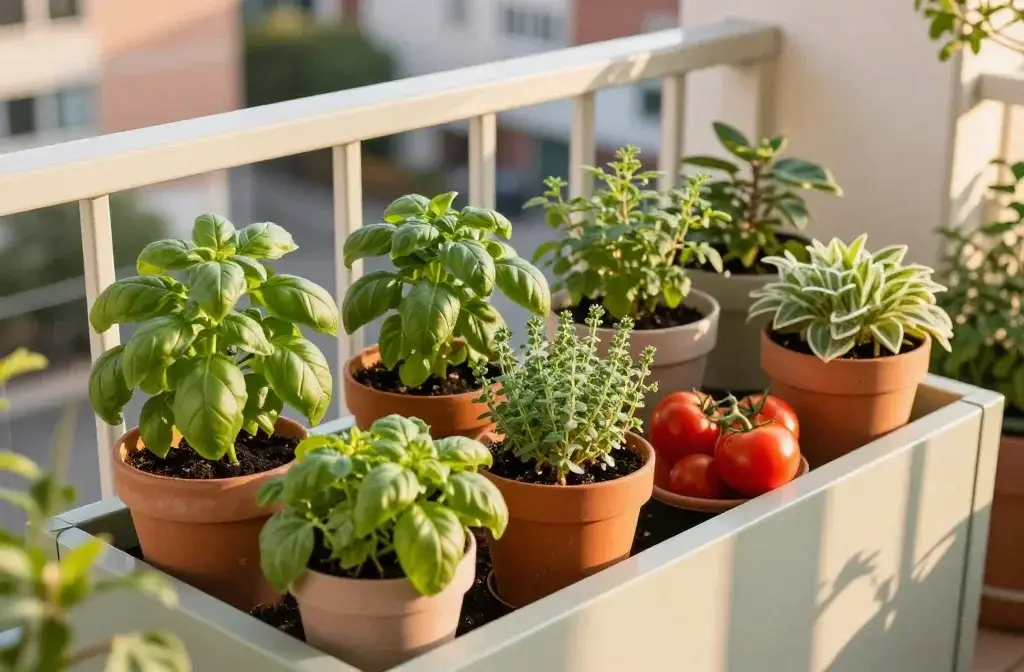
– Start small, dream big. If you’re overwhelmed by a yard, begin with a few pots on the balcony.
– Motivation grows with momentum. Pick one tiny project and crush it, then ride that high.
Make a Plan That Fits Your Life
– You don’t need a perfect seed catalog and a serious tool shed to begin. You need a little structure that you can actually stick with.
– Start with a simple, repeatable routine: 5 minutes of watering in the mornings, 10 minutes of weeding on Sundays, a quick harvest any day you notice something ripe.
– Pick a handful of easy, high-reward plants to begin. Think herbs (basil, thyme), greens (lettuce, spinach), potatoes and tomatoes if you’ve got sun.
Choose the Right Setup for You
If you’ve got a sunny balcony, you’re basically golden. If you’ve got a yard that’s mostly shade, you’ll still win with the right plants.
Sunny spots: pots, raised beds, and sun worshippers
– Use pots with drainage holes and lightweight soil mixes for easy moving.
– Consider a small raised bed for a cleaner look and better soil control.
– Plants that love sun: tomatoes, peppers, oregano, basil.
Shade-friendly havens: greens and patience
– Look to leafy greens, herbs, and root veggies that tolerate shade.
– Use reflective surfaces to bounce light onto leaves. It’s like giving your plants a sunlamp, but cheaper.
– Mulch to keep roots cool and moisture in—your future self will thank you.
Make It Fun with a Routine You Actually Enjoy
– Create micro-habits. A quick harvest before dinner becomes a ritual, not a chore.
– Turn chores into mini-games: who can spot the most pollinators or who can harvest the reddest tomato first.
– Keep a garden journal, even if it’s just a quick photo log. Seeing progress is addicting.
Mini-tasks that feel like wins
– Water check: quick sprinkle test to see moisture at root level.
– Plant health check: look for yellow leaves, spots, or pests.
– Harvest moments: pick one herb for tonight’s meal.
Grow Your Knowledge, Not Your Stress
– Learn by doing, not by stressing. If something dies, don’t panic—you’ll learn what not to do next time.
– Use a few reliable sources, but don’t drown in data. A single seasonal guide, plus a local extension service, goes a long way.
– The best teacher is experience, followed closely by a plant tag that tells you when to water, feed, and prune.
Common beginner pitfalls (and how to dodge them)
- Overwatering: plants drown faster than a goldfish out of water. Check soil moisture before watering.
- Wrong sun exposure: move pots or adjust placement. Plants are not shy about asking for light.
- Neglect: set reminders or attach care tasks to a calendar. Small, consistent care beats sporadic efforts.
Snack-Sized Projects That Spark Joy
– Propagation party: take cuttings from herbs like basil or mint and root them in water until they’re ready to plant.
– Create a rolling harvest: plant extra in succession so you always have something to pick.
– Build a little pollinator corner: a pot with lavender, salvia, or Native plants invites bees and butterflies.
Easy starter projects
- Herb garden in a small container—basil, thyme, and mint are forgiving.
- Tomato pot with a cage—vertical space makes a small balcony feel grand.
- Salad bowl: a mix of lettuce, spinach, and radishes that you can harvest in stages.
Stay Cozy with the Right Tools (Without Turning Your Closet into a Tool Graveyard)
– You don’t need a workshop of gear to start. A few basics keep you moving and keep your hands clean.
– Invest in a couple of quality items that will last: a pair of sharp pruners, a small hand trowel, and a moisture meter or simple finger test.
– Don’t forget the basics: watering can, kneeling pad, and a lightweight bag for compost or soil.
Smart tool upgrade ideas
- A small irrigation timer for a balcony garden saves time and water.
- Self-watering planters reduce maintenance and prevent root rot.
- A simple tote to corral packets, labels, and markers—organization = fun!
Pests & Problems
– Yes, pests happen. They’re part of the garden drama, not the end of the season.
– Start with the friendly, non-chemical approach: remove the pests by hand, encourage beneficial insects, and spray with simple, organic options if needed.
– Keep plants healthy with proper spacing, water, and airflow. Happy plants don’t invite trouble.
Low-stress pest toolkit
- Neem oil or insecticidal soap for stubborn things
- Insect traps or companion planting to deter pests
- Soapy water spray to nudge aphids off leaves
FAQ: Quick Wins and Real-Life Hacks
1) Do I need a lot of space to start gardening?
You don’t. Start with a sunny windowsill or a small balcony and a handful of pots. You’ll discover that compact setups can be incredibly satisfying and scalable later on. Tiny spaces can still yield big joys.
2) How often should I water my plants?
That depends on sun, wind, and soil. A good rule: check the soil moisture, not the calendar. If the top inch is dry, water. If it’s damp, wait. A basic finger test or a cheap moisture meter makes this painless.
3) What plants are best for total beginners?
Herbs (basil, mint, thyme), leafy greens (lettuce, arugula, spinach), potatoes, and tomatoes or peppers if you have sun. These give quick feedback and regular harvests, which keeps the hobby lively and motivating.
4) How can I make gardening less boring on busy days?
Set up tiny routines. A five-minute watering check, a quick harvest, or a ‘plants of the week’ mini-focus. If you can finish a small task in under 10 minutes, you’ll actually do it consistently.
5) Is it okay to combine gardening with home decor?
Absolutely. Planters that match your interior vibe, or a vertical garden on a balcony wall, can look stylish and be incredibly practical. Beauty and function should share the same space.
Your Garden, Your Happy Place
Gardening isn’t a test you have to pass; it’s a playful ongoing project you get to shape. Start small, build a routine, and let curiosity lead you. You’ll likely fall in love with the tiny wins—the first thyme leaf that survives the first hot week, the bright tomato that finally blushes red, the first scent of basil after you brush past it. If you stay curious and patient, the hobby will grow right along with your plants.
Strong finish: your garden should feel like a friend you check in with every day, not a chore you dread on Sundays. Ready to plant something new this weekend? Grab a sun-loving herb pot, a bag of soil, and a little bit of confidence. You’ve got this.