
How to Create Routines That Support Your Nervous System
Our website contains affiliate links. This means if you click and make a purchase, we may receive a small commission. Don’t worry, there’s no extra cost to you. It’s a simple way you can support our mission to bring you quality content. If you’d like more information please visit my Affiliate Disclosure.
I’m not kidding when I say routines can be your nervous system’s best friend. When life feels chaotic, a simple structure can keep your heart from sprinting 100 mph. Let’s map out routines that actually support your nervous system instead of draining it dry.
Why Routines Matter for the Nervous System
Your nervous system isn’t a trickle-down machine. It’s a fast, leaking faucet that needs steady pressure. Routines give you predictable inputs—sleep, meals, movement, and downtime—that help regulate stress hormones, soothe the vagus nerve, and prevent that “fight or flight” chorus from taking over. Think of it like giving your brain a steady drumbeat to dance to, instead of random jazz hands flailing.
Start with a Simple Anchor: Sleep, Eat, Move
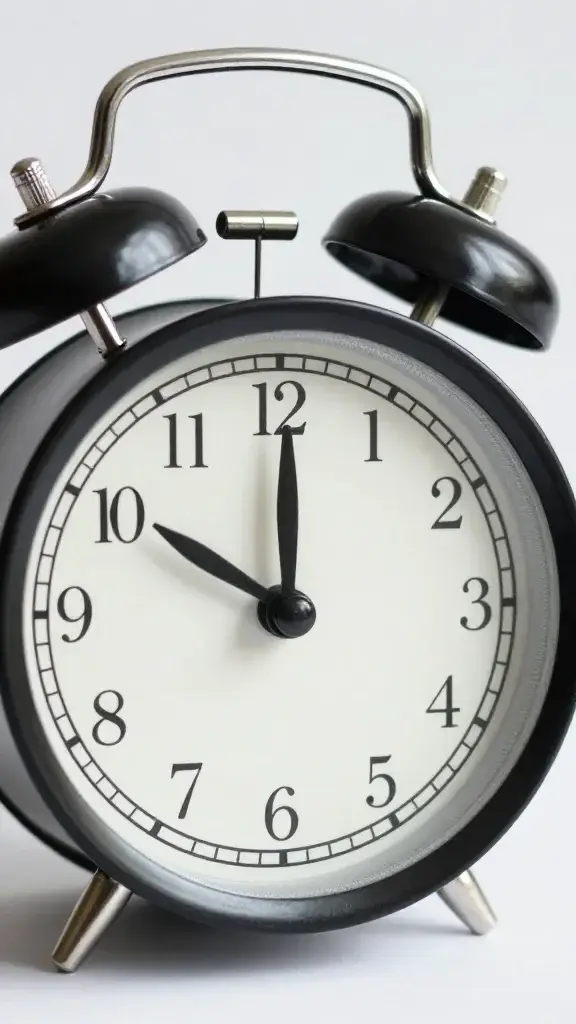
– Sleep: Aim for consistency more than perfection. Same bedtime and wake time when possible. Your body loves a rhythm.
– Meals: Regular meals stabilize blood sugar and mood. Include protein, fiber, and healthy fats to keep energy steady.
– Movement: Daily movement isn’t a luxury; it’s a nervous system reset. A 20-minute walk or a short yoga flow works wonders.
Why Consistency Beats Intensity
Consistency trains your autonomic nervous system to expect predictable signals. You don’t need a marathon; you need a reliable rhythm. Tiny, boring steps beat loud, heroic efforts that fizzle out.
Design a Low-drama Wind-down Routine
Your evening should be a gentle exhale after a busy day. A ritualized wind-down reduces hyperarousal and primes you for restful sleep.
- Dim the lights 1–2 hours before bed.
- Put away screens or use blue-light filters.
- Do a light stretch or breathing practice (4-7-8 or box breathing work nicely).
- Jot down one thing you’re grateful for and one thing you’ll tackle tomorrow.
Breathwork you can Actually Feel
Try box breathing: inhale 4, hold 4, exhale 4, hold 4. Repeat 4 times. It signals safety to the nervous system and reduces the glare of worry in the mind. It’s not magic; it’s physiology with a side of calm.
Create Structure without Rigidity
Routines work best when they’re flexible enough to bend with life. The goal isn’t to micromanage every minute but to provide touchpoints your system can rely on.
- Time-block core activities: work, meals, movement, rest.
- Build in buffers: short breaks between tasks to reset breathing and posture.
- Use defaults: set up prompts or cues (alarms, notes) to remind you to pause and reset.
How to Keep it Light when Life gets Loud
If a day crashes into chaos, drop non-negotiables to one or two essentials: a decent meal and a 10-minute walk. Your nervous system will thank you for the minimum viable routine.
Movement with your Nervous System in Mind
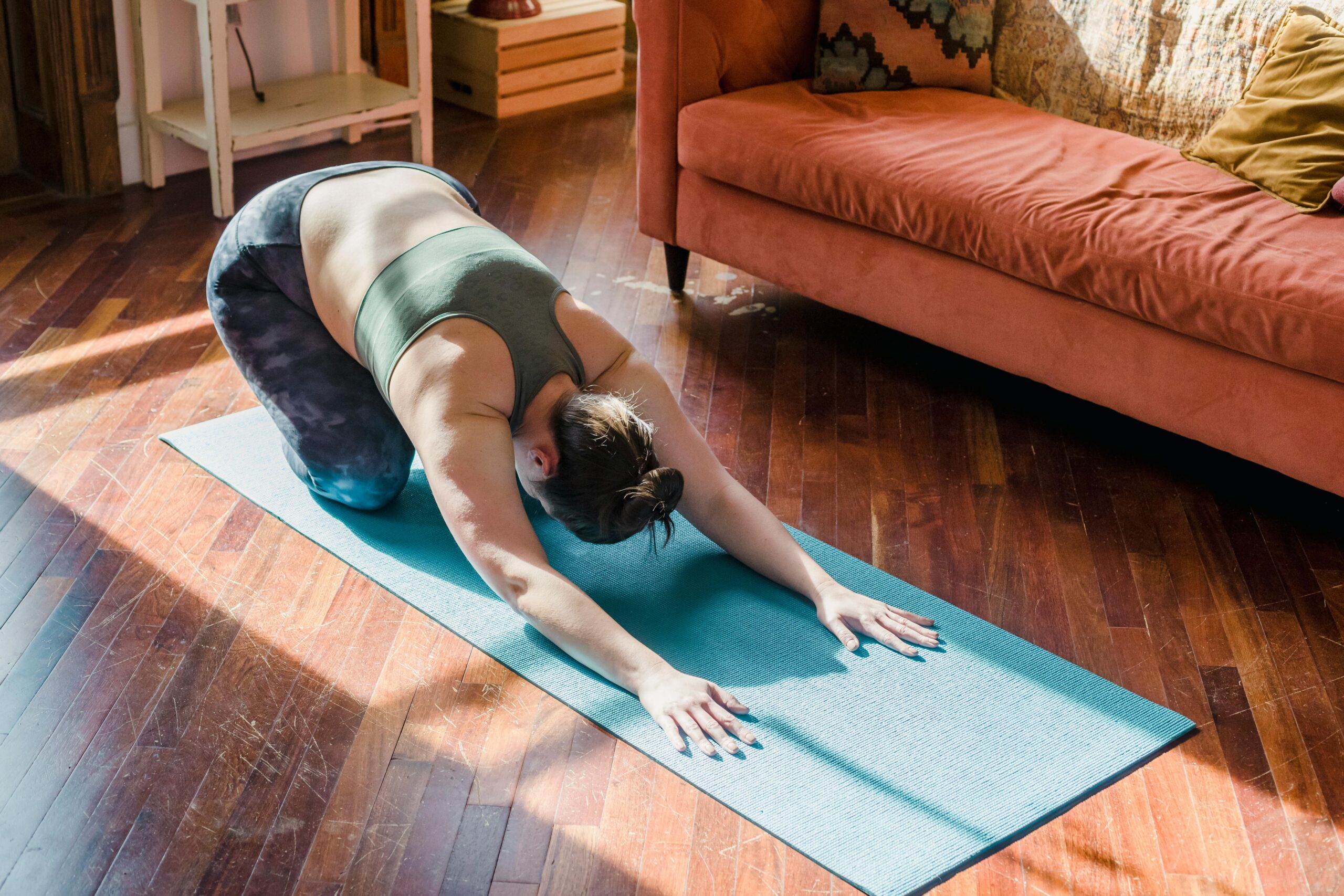
Not all movement is equal for calming the nervous system. The style, intensity, and timing matter.
- Low-to-moderate intensity works best: walking, swimming, gentle cycling, or light strength training.
- Incorporate breath with movement: coordinate inhales with expansion and exhales with release.
- Mindful presence beats mindless repetition: notice how your feet feel, your breath, your surroundings.
Quick Routines you can Steal Today
– 10-minute “bank break” stroll with a 1-minute breathwork break every other minute.
– Gentle bodyweight circuit: squats, push-ups against a wall, and step-ups, done slowly with focus on form.
– 5-minute stretch sequence before bed to release neck, shoulders, and hips.
Environment as the Silent Teammate
Your surroundings either push you toward calm or pull you into chaos. Set up spaces that cue safety and ease.
- Declutter a dedicated “reset” corner with a comfortable seat, soft lighting, and a small plant or object you love.
- Temperature matters: a cool, breathable environment helps sleep and ease.
- Soundscape: soft, steady sounds can quiet a buzzing mind; headphones or a smart speaker can help.
Tools that Actually Help
– A simple journal or notepad for quick checks in the morning and night.
– A water bottle within arm’s reach to remind you to hydrate.
– An eye mask or blackout curtains if light disrupts sleep.
Routines that Protect your Nervous System during Stress
Life occasionally hands you a curveball. When stress is high, your body needs extra support without turning into a full-on rigidity trap.
- Short, restorative intervals: 5-minute body scan, 2–3 minutes of deep breathing, or a quick gratitude note.
- Limit doomscrolling: set specific times and durations for news or social media.
- Grounding practices: name five things you see, four you feel, three you hear, two you smell, one you taste.
Subtle Adjustments that Shift the Needle
Small changes compound. Try swapping one snack for a protein-rich option, adding a 5-minute morning stretch, or standing while you chat on a call. Your nervous system will notice the consistency.
Putting it all Together: A Sample Daily Routine
Here’s a friendly template you can customize. The goal is to create predictable inputs that feel manageable, not oppressive.
- Wake at a consistent time. Do a quick hydration splash and 2 minutes of breathwork.
- Light movement within 30 minutes: a short walk or gentle yoga.
- Protein-rich breakfast and a plan for the day.
- Work blocks with 1–2 minute reset breaks every hour.
- Mindful wind-down with breathwork and journaling before bed.
FAQ
How long does it take for routines to support the nervous system?
Routines start helping almost immediately with frequent small inputs, but noticeable changes in sleep and mood usually show up after 2–3 weeks of consistency. Stay curious and patient.
What if I’m not a “morning person” or I have a chaotic schedule?
Then design around your natural rhythms. If evenings are calmer, flip it. The point is to create reliable cues within your reality, not to force a perfect schedule.
Is it okay to rely on technology or apps for routines?
Yes, as long as it serves you. Alarms, habit trackers, and meditation apps can be helpful prompts. Just beware of over-reliance or punishment-based systems that stress you out.
Can routines replace therapy or medical treatment?
Routines support the nervous system, but they’re not a substitute for professional care. If you’re dealing with chronic anxiety, trauma, or any medical concerns, talk with a clinician. FYI, routines can be a great complement.
How do I stay flexible without losing consistency?
Build a minimal viable routine you can do anywhere, then allow for “backup” options. If you miss a step, don’t abandon the entire day—do a shorter version or reset at the next opportunity.
Conclusion
Routines aren’t prison walls; they’re the rails that keep your nervous system from derailing. Start small, keep things predictable, and give yourself permission to adjust as you go. The goal is sustainable calm, not heroic overachievement. If you want more calm with a dash of humor, I’m right there with you—IMO, consistency beats intensity any day. My verdict: pick two or three anchor routines, test them for a couple of weeks, and then fine-tune. Your nervous system will thank you with steadier energy, better sleep, and a lighter sense of overwhelm.