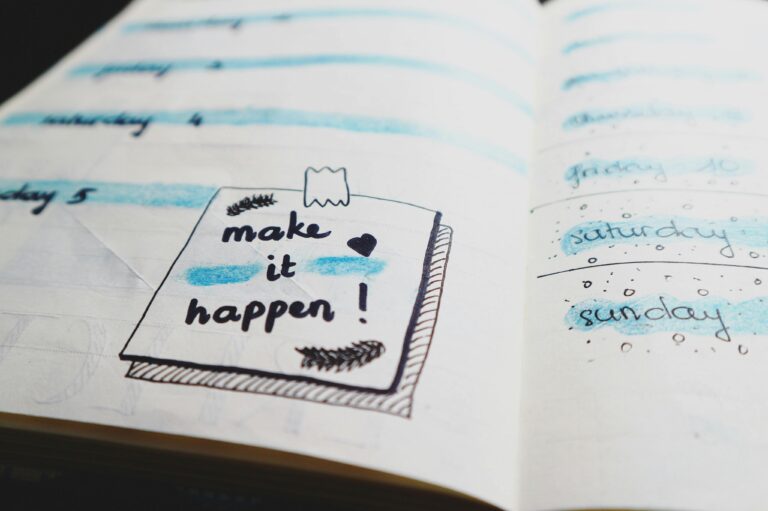
Goals Journaling Ideas to Clarify What You Want Next
I’m not sure about you, but goals sometimes feel like that friend who promises to text back and then forgets. Let’s fix that with a simple, practical habit: goals journaling ideas that clarify what you actually want next. No fluff, just a clear path forward.

Why Goal Journaling actually Works (and isn’t another chore)
You scribble a bunch of thoughts, and suddenly, patterns emerge. Goals aren’t scary when you pull them into daylight. A journal helps you test ideas, spot contradictions, and turn vague wishes into concrete steps. FYI, your brain loves clarity more than drama—give it clarity and it stops nagging.
Start with a simple questions-first framework
If you don’t know where to begin, begin with questions. Your answers become the goals.
- What’s one thing I want to experience in the next 90 days?
- What would I do if fear wasn’t in the way?
- Which small daily habit would compound into a bigger win?
- Where do I want to feel more of a year from now?
Don’t overthink it. Treat it like a casual interview with yourself. The goal isn’t perfect; it’s actionable.
5 Journaling Prompts that Actually Clarify your Next Chapter
1) The “end-state” prompt
Describe your ideal life or a specific area (career, health, relationships) as if you’re writing six months from now.
- What changed?
- What does your daily routine look like?
- What did you stop doing?
Tip: use sensory details—what do you see, hear, and feel in that future? It makes the goal more tangible and less abstract.
2) The obstacle inventory
List the biggest obstacles you think stand between you and your best next chapter. Then, flip each entry into a tiny action item you can tackle this week.
- Obstacle: lack of time
- Action: block 30 minutes on your calendar and protect it
Obstacles aren’t roadblocks; they’re road signs telling you where to adjust. You’ll probably discover you’re standing in your own way more than you realize.
3) The “why this, not that” comparison
For two competing goals, write a side-by-side comparison: why you’d choose Goal A over Goal B, and vice versa. Which one lights you up? Which one drains you?
This helps you prune goals that sound good but don’t align with your values or energy. Choosing fewer higher-leverage goals beats chasing everything at once.
4) The micro-step map
Break big ambitions into tiny, doable steps. List 3–5 micro-steps for the next week or two. Be exact: dates, times, and tiny deliverables.
- Goal: run a 5K
- Micro-step: run 15 minutes on Tuesday and Thursday at 6:30 pm
Tiny steps beat big leaps every time. Your future self will high-five you for showing up consistently.
5) The energy check
Describe how you’ll feel during the process and after completing the goal. What would make the journey enjoyable? What would burn you out?
Prioritize goals that feel energizing most days. If a task exhausts you before you start, you’ve got a flag to rethink the approach. Passion fuels consistency.
Structure Ideas that Keep you Honest (without feeling boxed in)
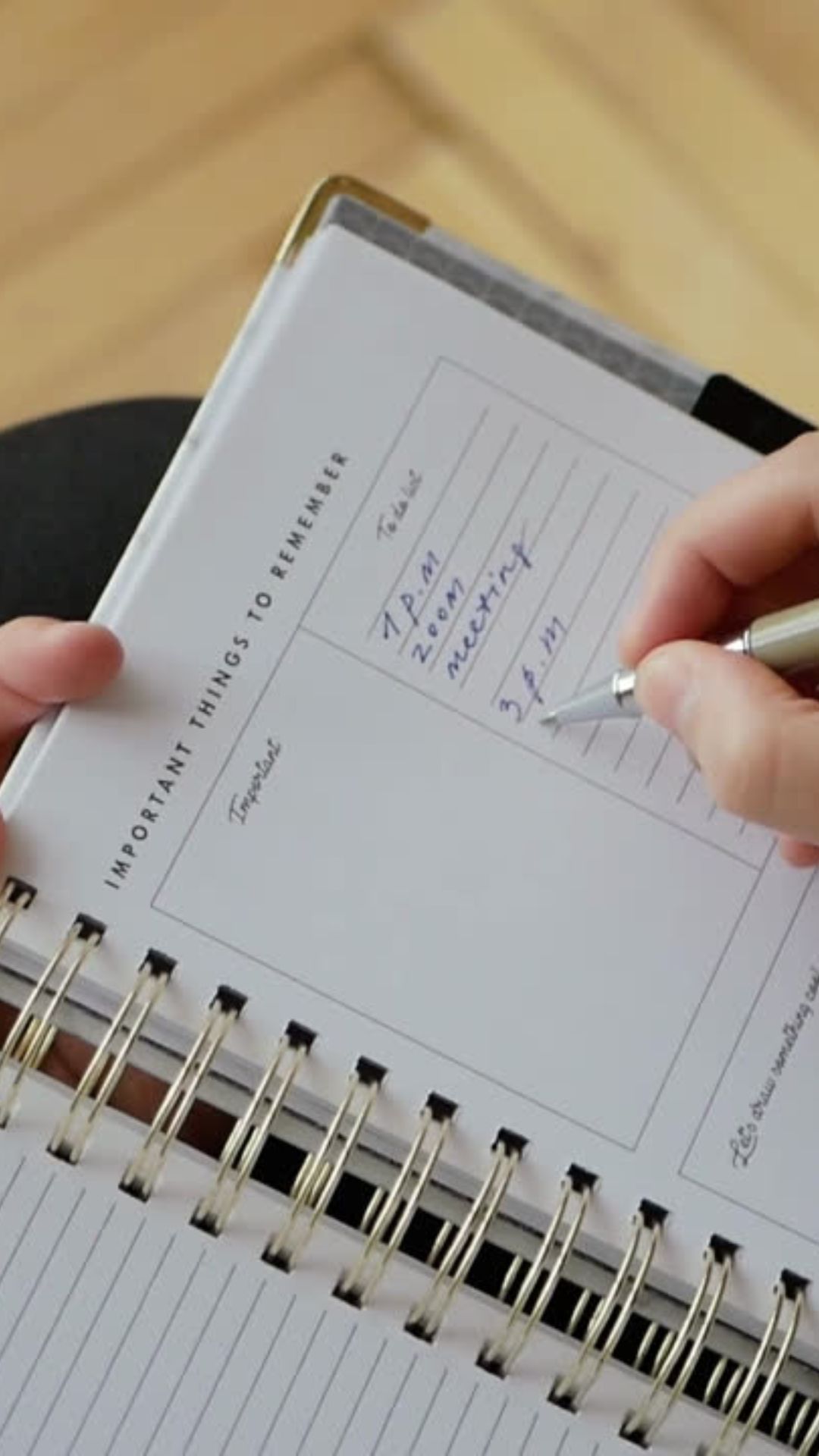
Habit-stack your goal work
Attach a goal-related action to an existing habit. For example, after you brew coffee, write one quick goal thought. Small, reliable pairing makes progress predictable.
Time-boxed sessions
Give yourself a finite window (15–25 minutes) to journal and plan. The clock creates focus and stops endless overthinking.
Weekly review ritual
Set aside 20–30 minutes to review the week:
– What moved forward?
– What stalled, and why?
– What’s the one change you’ll make next week?
A weekly check-in prevents drift and keeps you aligned with your deepest intentions.
Make your Goals feel Personal, not Performative
Goals should reflect who you are and what you value, not just what’s trendy. If your list looks impressive but leaves you cold, you’re unlikely to feel motivated when the going gets tough. Add a dose of personality to your journal: inside jokes, doodles, color-coded sections, or a line of resistance you drop when you’re tempted to abandon ship.
Emotional alignment
Ask yourself: Will achieving this make me feel proud, free, or secure? If the answer is “I’ll feel ridiculous,” you might need to reframe or drop it.
Value-driven filters
Create a quick test: does this goal align with your top 3 values? If yes, keep it. If not, adjust or replace with something that does.
Turn your Journaling into a Practical Plan
Ideas shine when they’re actionable. Your journal should translate into a plan you can actually follow.
- Choose 1–2 primary goals for the next 90 days.
- List 3 micro-steps for each week.
- Schedule 30 minutes of focused work on each goal, 3–4 days per week.
- Review and adjust on Sundays or a day that feels calm.
If you’re staring at a blank page, try starting with a single question like: “What one thing can I do this week that would make the biggest difference?” Then write anything that comes to mind. You’ll be surprised what follows.
Two formats you can experiment with
Different formats keep your practice fresh. Pick what fits your mood or mix and match.
Bullet journaling for speed
Keep a compact, daily entry with bullets:
– Wins from today
– One action I’ll take tomorrow
– A quick reflection line
Narrative journaling for depth
Write a short scene of your future self handling a challenge and succeeding. It sounds cheesy, but it builds belief and clarity.

FAQ
How long should I spend on goal journaling each week?
Aim for 15–30 minutes per session, 2–4 times a week. Short, consistent sessions beat marathon sessions that burn you out. Consistency is king here, this is where patterns emerge.
What if I change my mind about a goal?
That’s not failure—that’s feedback. Update your journal, adjust the plan, and keep moving. Your future self will thank you for staying flexible and honest.
Can this replace a formal goal-setting method?
If formal frameworks feel stuffy, this is a friendly alternative. Use journaling as the core habit and borrow structure from other methods when you want more rigor. It’s about progress, not perfection.
Is it okay to keep multiple goals at once?
Yes, but prune aggressively. Too many goals scatter energy. Pick 2–3 primary aims and keep a couple of smaller, supporting ones. FYI, fewer high-impact goals reduce overwhelm.
What should I do if I’m overwhelmed by fear or doubt?
Name the fear in your journal, then write one tiny action that would move you past it. Fear hates small steps. Prove it wrong with tiny, repeatable wins.
Conclusion
You don’t need a flashy system to figure out what you want next. You need honesty, speed, and a habit you actually enjoy. Goals journaling gives you a living map—one that stays fresh because you keep talking to it. So grab a notebook, a pen you enjoy, and start with one question today. FYI, momentum loves momentum, and you’re just a page-turn away from clarity.