Create a Morning Routine That Supports Mental Clarity
This post may contain affiliate links, which means I may earn a small commission if you choose to shop through them — at no extra cost to you. I only share products I genuinely love and use as part of my own life.
For a long time, I thought routines were something you had to earn through discipline and consistency.
If you’ve ever tried to build a routine and felt worse instead of better, it’s probably not because you lack willpower. It’s because most routine advice is built around perfection and societal ideals.
The only perfect routine is the one that supports your life. Mental clarity doesn’t come from “perfect” routines. It comes from feeling supported by you.

Why “Perfect Routines” Usually Make Things Worse
A lot of new routines fail because they’re designed for an ideal version of life.
One where:
- you always wake up rested
- your energy is predictable
- nothing unexpected happens
- motivation shows up on time
Real life doesn’t work that way.
When routines are rigid, missing a day can spiral into self-criticism. Suddenly, the routine that was meant to help becomes another way to feel like you’re falling behind.
A gentle routine works differently. It offers structure, reduces decision fatigue and is developed by you, to support you.
What a Gentle Routine Actually Is
A gentle routine isn’t a checklist because society says you “should” do it. It’s more like a loose rhythm. One that comes and goes with the season you’re in and that you can return to at any time.
Gentle routines:
- flex with your energy instead of fighting against it
- are built around how you want to feel, not what you want to accomplish
- make life easier, not more impressive
change with seasons, circumstances, and capacity
Nothing in life is 100%. You’re allowed to have routines that work most of the time. You can skip things without starting over. You can pick the routines that work for you and release the ones that don’t.
An Example: My Morning Routine
My morning routine isn’t aspirational — it’s functional.
It doesn’t happen the same way every day, and that’s kind of the point.
Most mornings include:
- Slowly waking up
- one grounding activity (stretching, journaling, or sitting quietly)
- something warm and familiar (coffee, tea, soft light)
- easing into the day instead of launching into it
I have curated a list of things to pick from. Like a menu. These things all help me start my day with ease and allow me to decide how my day is going to go rather than feel like it’s been thrust upon me from other people or social media.
Tools That Support Gentle Structure (Without Taking Over Your Life)
Routines are easier to maintain when the tools you use don’t turn into obligations.
Using Planners & Habit Trackers as Awareness.
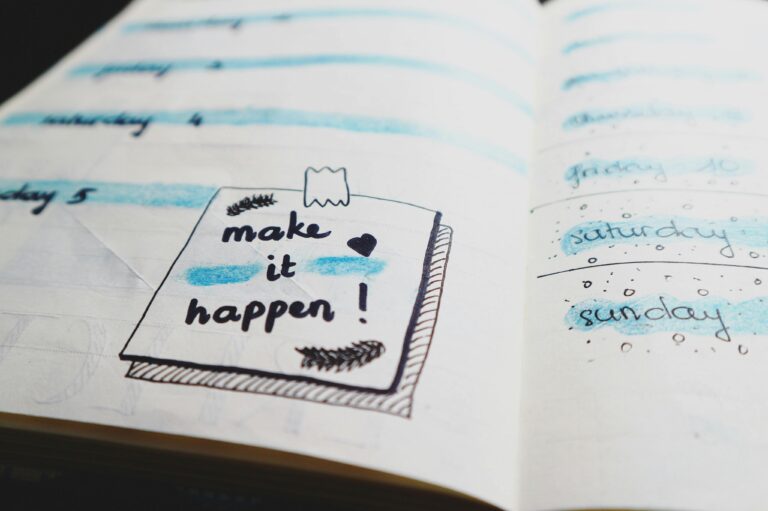
I use planners and habit trackers as mirrors, not scorecards.
I’m not tracking to judge myself. I’m doing it to understand myself better. These tools allow me to notice patterns, understand how my energy comes and goes, and see what is sustainable for me.
That’s why I use simple planners and habit trackers. I don’t track too many things at once to not overwhelm myself. Trying to both track and do too many new things at once is bound to create friction. I want to be able to honestly see how a routine fits, if I try too many things at once, I won’t be able to tell. I’ll either stop doing the routine or stop tracking it. Neither are helpful.
Tech Support
Mental clarity doesn’t usually come from doing more — it comes from connecting back into your body.
On days when my thoughts feel scattered, I’ll turn to something supportive, like a Gaia subscription. It’s a resource I return to when I need grounding. It reminds me I’m not alone and that the world is so full of life it’s hard to put into words.
Short meditations, gentle movement, or a fascinating documentary can be especially helpful to reconnect with myself. I used to feel like I had to think through everything, but the truth I have found is that I actually have to get OUT of my head, and into my body. Movement, meditation and connecting with others through a documentary help me do that.
How to Build a Routine That Feels Calm
Instead of asking What should my routine look like?, try asking:
- What helps me feel settled?
- What makes my mornings easier?
- What feels nourishing right now?
Start with one anchor habit — just one. Let everything else be optional. Your routine should be designed to make your life easier, more enjoyable. If you don’t know how to answer these questions, go through your current routine and think about how you feel after. Does it make you anxious, is there a point of respite in your routine? If your morning routine is completely out of balance here are a few to choose from:
- 5 minute meditation from Youtube
- Set your alarm 15 minutes earlier so you can slowly wake up
- Make your morning beverage and just sit drinking it zoning out or looking out a window.
- No social media or news
- Think of 3 things you’re grateful for and why
- Read a chapter of a book (for pleasure not learning) while drinking your tea or coffee.
Again, don’t pick five all at once. Add one in for a week or two and keep track of how it changes how you feel throughout the day.
Routines Are Allowed to Be Supportive
If routines have felt hard for you, it’s not because you’re doing them wrong.
It’s because you’ve probably been taught to use routines as a way to control yourself — instead of care for yourself.
Mental clarity grows when your days feel supportive. Where there’s less rush, and more room to breathe.
Gentle routines don’t ask you to be better. They ask you to be honest.