The Impact Of a Gratitude Practice On Mental Health

Gratitude isn’t just a nicety—it’s a powerhouse for mental well-being. When we focus on what we’re grateful for, our brains release dopamine and serotonin, the chemicals that make us feel good. This simple practice can lead to significant improvements in mental health, reducing symptoms of anxiety and depression.
Research shows that gratitude can actually rewire your brain. Studies by Dr. Robert Emmons, one of the leading experts on gratitude, reveal that those who practice gratitude consistently report feeling more positive and more connected to others. These aren’t fluffy ideas—this is science-backed stuff that can truly transform how you experience the world.
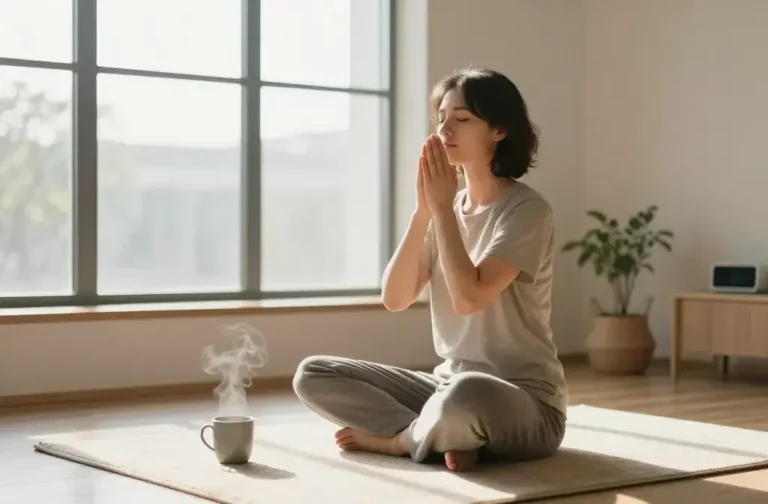
Appreciating the small things, like the sun’s warmth or a good cup of coffee, can lead to larger shifts in your mental landscape. Thankfulness encourages us to look at life with a more positive outlook, boosting our self-esteem and building resilience against adversity.
Not only does gratitude enhance our mental health, but it also trickles down to physical health by improving sleep quality, lowering blood pressure, and boosting immunity. It’s like hitting the jackpot on all fronts, really. So, while practicing gratitude sounds super simple, realizing its full potential requires consistency and real effort. But hey, the potential benefits make it so worth it.
Overcoming Obstacles to Experiencing Gratitude
Gratitude sounds amazing, right? But what happens when you’re just not feeling it? A lot of things can block those grateful vibes, starting with our own emotions. When stress or anxiety dig their heels in, acknowledging the good stuff can feel like climbing a mountain with no ropes.
Life gets tricky, and sometimes experiences like trauma or long-lasting stress can make gratitude seem out of reach. These moments can overshadow happiness, making it tough to see past the fog. Cultural pressures or a sense of entitlement might also play a role, creating barriers to feeling genuinely thankful.
The cool thing is that recognizing these roadblocks is half the battle. Acknowledging negative emotions and allowing yourself to feel them without judgment can make room for gratitude. It’s like clearing out space for something better.
Dr. Brené Brown, a research professor who’s studied vulnerability extensively, points out how crucial it is to lean into discomfort. By facing vulnerabilities head-on, it becomes easier to recognize and appreciate the positives, often unveiling gratitude hidden beneath those challenges.
So, if you’re finding it hard to grasp gratitude, start small. Even admitting a challenge is a step toward gratitude. Figuring out your stumbling blocks is key to unlocking gratitude’s potential, uncovering the hidden gems of joy we all have in life.
Expert Tips and Techniques

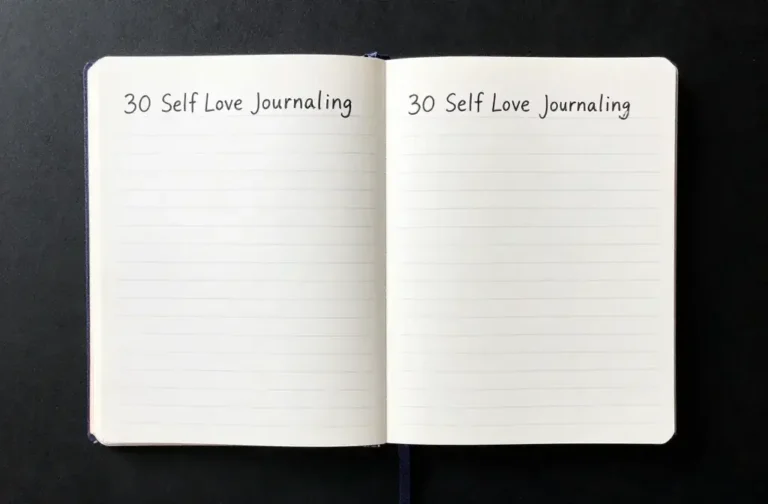
Getting into the gratitude groove doesn’t have to be hard, but it does take commitment. Start by setting aside a few minutes each day to acknowledge what you’re thankful for. This practice can be as quick as jotting down three things in a journal that made you smile today.
Experts in positive psychology, like Dr. Martin Seligman, suggest that gratitude journals can be a game-changer. Writing down your thoughts regularly helps reinforce positive thinking, slowly shifting your mindset over time. It doesn’t have to be a huge ordeal—just a simple notebook on your nightstand can serve as a daily reminder.
Consider trying out daily reflection. Spend a moment reflecting at the end of your day on what went well. It might be something big, like a promotion at work, or small, like finding your favorite snack at the store. Both deserve recognition!
For those with kiddos, incorporating gratitude practices into family routines can be rewarding. Simple activities like sharing what you’re grateful for at the dinner table can instill a sense of appreciation from a young age, making it part of their daily narrative.
Remember, it’s about progress, not perfection. There will be days when it’s hard to feel grateful, and that’s completely okay. The key is to keep at it and know that every effort to recognize gratitude accumulates over time, creating a more resilient and positive mindset in the long run.
Embarking on this gratitude journey means welcoming mindfulness and positivity into your life, paving a path to better mental health. The consistent practice of embracing thankfulness can genuinely enrich your outlook and strengthen your mental armor against life’s inevitable ups and downs.




One Comment