Finding a Hobby You Actually Love (Without the Overwhelm)
Finding a hobby that genuinely fits you is harder than the internet makes it look. Between the aesthetic Pinterest boards and the “just try everything” advice, it’s easy to feel more confused than when you started. This post cuts through that noise. Whether you’re starting from scratch or circling back after years of putting yourself last, here’s a practical, low-pressure way to figure out what actually lights you up.
Start Small and Gather Clues

Most people expect the perfect hobby to arrive like a lightning bolt of inspiration. It rarely works that way. Instead, it shows up in small signals — a spark of curiosity here, a reluctance to stop there. The trick is learning to notice those signals rather than waiting for certainty.
Start with a tiny experiment. Pick three activities that mildly interest you, commit to one week each, and pay attention to how you feel after each session. Do you feel energized, restless, or quietly satisfied? Those reactions are your compass — more reliable than any quiz or recommendation.
One thing worth knowing: your brain is wired to reward novelty with a small dopamine boost. That’s why trying something new can feel good even before you’re any good at it. Give each option a fair shot before moving on.
Ask Yourself Better Questions
The wrong question is “what should I do with my free time?” That one comes loaded with guilt and obligation. Try these instead:
If I could rewrite one afternoon this week, what would I fill it with? The answer usually points to a vibe you’re craving — hands-on, creative, social, or quiet and focused.
If time and money weren’t a factor, where would my curiosity take me? This separates the “I should” from the “I genuinely want.” Pay attention to what comes up before your practical brain talks you out of it.
Playful questions get honest answers. Guilt-trip questions get avoidance. Keep it light.
Embrace Low-Stakes Curiosity

A hobby shouldn’t feel like a test you studied three weeks to pass. It should feel like a curious detour — something you’re willing to try without needing it to be perfect or permanent.
A few ways to keep the stakes low:
- Try a starter kit. Most hobbies have inexpensive beginner sets that let you taste-test before committing to gear or classes.
- Set a 15-minute timer. Tell yourself you only have to do 15 minutes. You’ll often keep going once you’ve started, and if you don’t, that’s useful information too.
- Document tiny wins. A photo, a quick note, or one small finished thing keeps motivation alive between sessions.
This approach protects your time and your energy. You’re not signing a lifetime contract — you’re just exploring.
Mix, Match, and Build a Hobby Palette
If the pressure of picking one thing is what’s been stopping you, drop that expectation entirely. You don’t need a single hobby identity. You can have a loose collection of micro-interests that you rotate based on mood, season, or energy level.
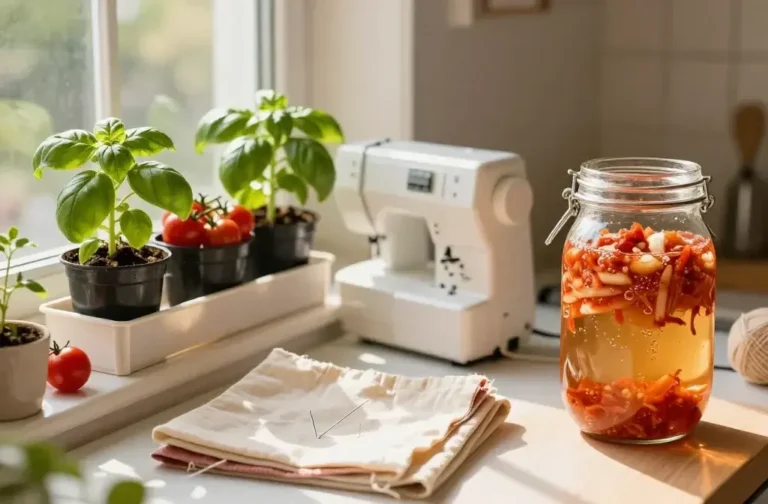
Try a seasonal angle. Summer sketching, winter bread baking, a spring garden project. The change in context keeps things fresh and gives you a natural reason to pick things back up after a break.
Do a mini-series. Choose a skill you’re curious about and give it three short projects over three weeks. You’ll learn quickly whether it’s worth pursuing further — and either way, you’ve done something, which is more than most people manage.
Building a palette instead of hunting for one perfect answer takes the pressure off and makes the whole process more enjoyable.
Learn With Other People
Hobbies have a way of clicking faster when there’s a social thread attached. It doesn’t need to be a formal club or a big commitment — even one other person with shared curiosity can make a real difference.
Look for someone who’s either a little ahead of you or starting at the same point. The goal isn’t instant friendship; it’s having someone to share a win with, laugh at a failure with, or just sit alongside while you both figure something out.
If the solo route is more your speed, online communities work too. A low-key forum or a niche subreddit can give you just enough connection to keep the momentum going without the social pressure of showing up in person.
Make It Fit Your Life — Not the Other Way Around
Once you’ve experimented a little, the real work is shaping the hobby around your actual life rather than trying to be the kind of person who can stick to a rigid schedule.
Set your own pace. Weekly, biweekly, whenever — there’s no right answer. What matters is that the rhythm feels sustainable rather than forced.
Curate your space. A comfortable, dedicated spot with decent lighting and the tools you actually need can completely change how an activity feels. It goes from “thing I do” to “thing I look forward to.”
Decide how public you want to be. Some people are energized by sharing their progress. Others find that sharing too early kills the motivation. Know which one you are and protect that accordingly.
Your hobby should feel like a flexible friend — not a boss with expectations.
Keep It Alive Without Burning Yourself Out
Sustainability is what separates a hobby you do for years from one that quietly dies in a drawer. A few small ways to keep the energy up:
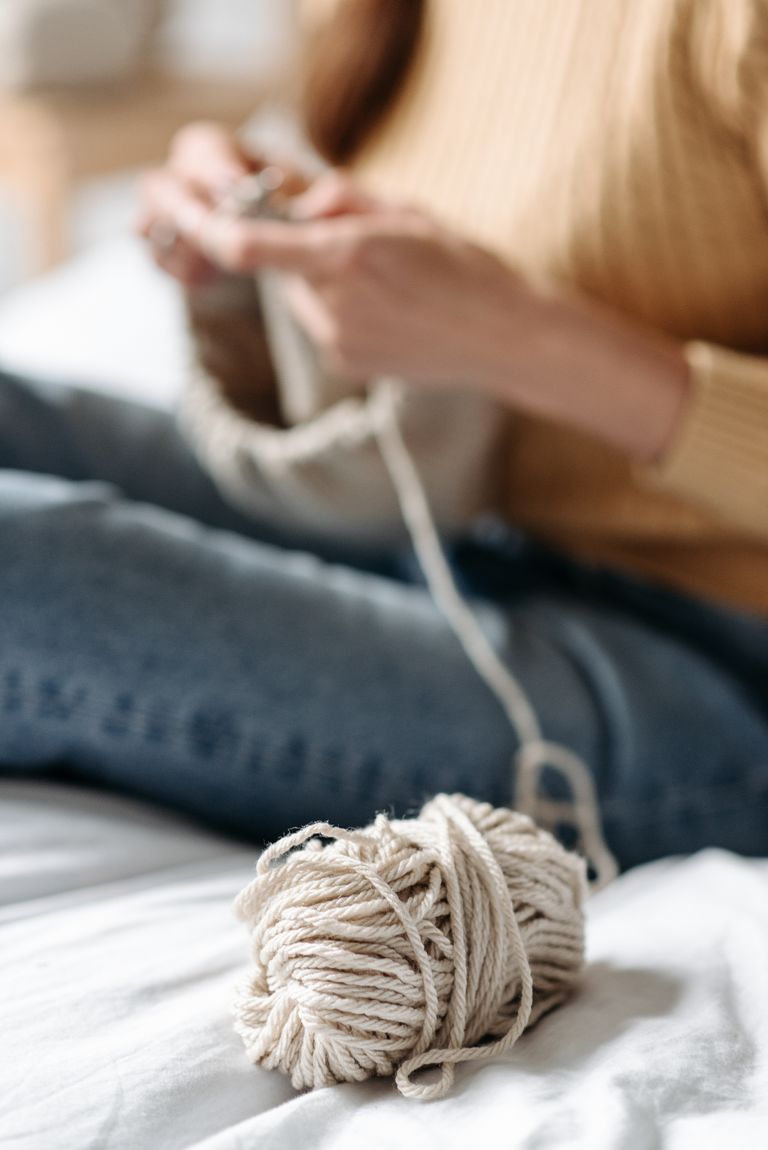
- Rotate within the hobby. If you knit, switch between different types of projects. If you journal, try different prompts or formats. Variety within a hobby is just as refreshing as switching entirely.
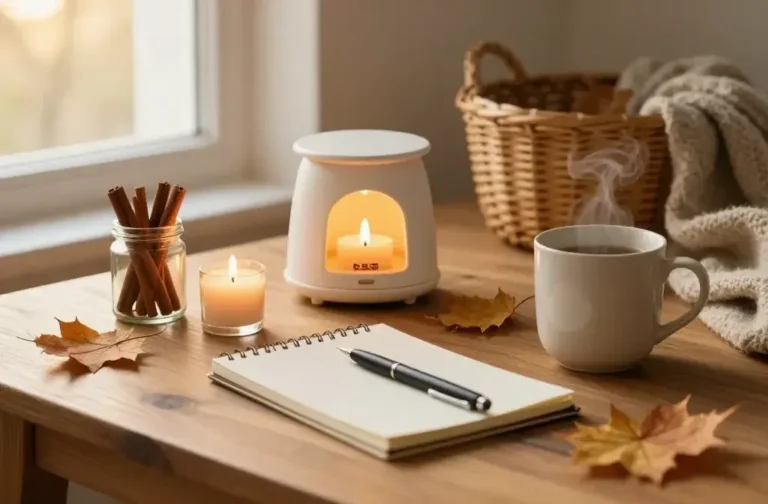
- Add a small ritual. A specific mug, a playlist, a candle — something that signals “this is my time” helps the habit stick without relying purely on willpower.
- Give yourself permission to pause. A break isn’t quitting. Life gets full. Coming back after two weeks off doesn’t mean you failed; it means you’re human.
If it starts to feel like a chore, that’s a signal to adjust — not to abandon ship entirely.
FAQ
What if I genuinely have no idea what I’m into?
Start with three low-commitment experiments and track how you feel after each one. You don’t need passion to begin — curiosity is enough. The signals will show up once you start moving.
How long should I give something before deciding it’s not for me?
Two to four weeks of regular, relaxed practice is a fair test. If it still feels flat after that, move on without guilt. Not every hobby is for every person, and that’s not a failure.
Is it okay to keep a hobby completely private?
Absolutely. Privacy protects your motivation and removes external pressure. Share when and if you feel ready — there’s no obligation to broadcast your process.
What if I start something and lose interest halfway through?
That’s more information, not a character flaw. Make a note of what felt good before the interest dropped, and use that to refine what you try next. Sometimes the type of thing was right even if the specific activity wasn’t.
How do I stay consistent without it becoming a chore?
Short, enjoyable sessions beat long, obligatory ones every time. Celebrate small progress, keep your space inviting, and let yourself take breaks without drama. Consistency comes from habit — and habit comes from enjoyment, not guilt.
Conclusion
You don’t need one perfect, glittering answer to the hobby question. You need permission to experiment, a little curiosity, and the willingness to start before you’re sure. Your ideal hobby won’t arrive fully formed — it’ll show up gradually, in the moments you forget to check the time because you’re too busy actually enjoying yourself.
Pick three ideas. Put one on the calendar for this week. That’s it. The rest figures itself out from there.