
How to Stop Worrying and Start Living When Anxiety Runs Your Life — Calm in 5
If you’ve been searching for how to stop worrying and start living, you’re not alone — and you’re not broken. Anxiety can feel like an uninvited houseguest who not only refuses to leave, but has also rearranged all your furniture and eaten everything in your fridge. Here’s the honest, practical playbook for when anxiety runs your life.
Take Back The Reins: Small Shifts That Do Big Work
Worry loves drama. It pretends to be noble and protective, but it mostly steals your time and energy. Start by reclaiming control with tiny, doable moves. No grandiose vows required—just consistency.
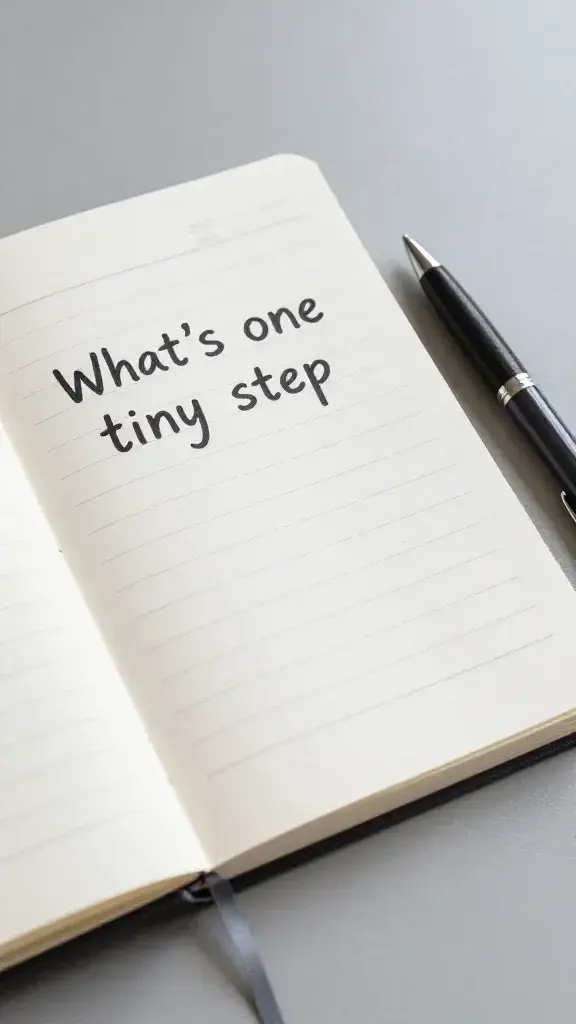
- Name the worry, then act anyway: When a concern pops up, say, “I’m worried about this,” then ask, “What’s one tiny step I can take in the next 24 hours?” Stop the spiral by moving your feet, not your thoughts.
- Limit doom-scrolling: Designate a 15-minute window for news or social feeds. Outside that, live life—yes, even with a messy kitchen and a backlog of laundry.
- Reset cues: Pair breath work with a habit you already do, like brushing teeth. Inhale for 4, exhale for 6, repeat five times. Grounding on autopilot.
Breath, Body, Brain: The Trio That Quietly Wins
Your nervous system isn’t impressed by pep talks. It responds to physical signals. When anxiety runs your life, give it something calmer to work with.
Breathing That Successfully Docks The Nervous System
Try the 4-7-8 pattern: inhale 4, hold 7, exhale 8. It sends a message to your body that you’re not in a sprint, you’re in a safe lane. Do this three times in the moment, then again if needed.
Move Like You Mean It
Gentle movement beats willpower every time. A 10-minute walk, a quick stretch, or dancing to a favorite song can drop cortisol and lift mood. Ask yourself: what small movement would I actually enjoy right now?
Grounding In The Present
5-4-3-2-1 is a classic. Name five things you see, four you hear, three you feel, two you smell, one you taste. It sounds simple, but it disrupts spirals by anchoring your senses in real life.
Reframe Anxiety: From Enemy To Information

Anxiety isn’t a sword; it’s a signal. It highlights what matters, not what’s necessarily dangerous. Change your relationship with it, and the message becomes a nudge instead of a chainsaw.
- Ask better questions: Instead of “Why does this always happen to me?” try “What does this situation need from me right now?”
- Label the lesson, not the menace: When a worry surfaces, write down the outcome you fear and the worst-case reality. You’ll often discover you can survive the worst and still live well.
Protect Your Focus: Decide What You Allow Into Your Day
Your attention is a precious resource. Anxiety loves to hijack it with worst-case scenarios and what-ifs. Guard it with simple boundaries.
Create A Daily List
Each day, pick 2–3 tasks that matter most. Finish those, and you’ve already won the day. No one finishes every goal; you finish what actually moves you forward.
Time-Box The Brain Dramas
Set a specific “worry time.” If thoughts intrude outside that time, note them quickly and move on. You’ll train your mind to pause the pointless reruns.
Social Signals: You’re Not Alone In This 
Anxiety loves isolation. Reach out, even if you’re not sure what to say. Connection isn’t a luxury; it’s a lifeline.
- Share a little, not a venting marathon: Tell a trusted friend, “I’m feeling anxious about X. Could you just listen for a minute?”
- Ask for specifics: Instead of “What should I do?” try “Do you know a small step I could take today?”
- Join a sane anchor group: A class, a club, or a forum where folks check in weekly can create momentum and accountability without policing your feelings.
Rituals That Ground You: The Power Of Simple Repetition

Rituals aren’t rigidity; they’re anchors you can rely on when life feels chaotic. Build a few that you actually enjoy.
Morning Ritual To Set The Tone
Start with 5 minutes of gratitude, a quick stretch, and a glass of water. You’ll shift from reactive mode to proactive mode before the day begins.
Evening Wind-Down That Works For Real Life
Put away screens 30 minutes before bed, write down one thing you’re grateful for, and set one intention for tomorrow. Sleep is your secret ally—tity up your rest, you’ll show up better.
When It Feels Like Anxiety Is Winning: Practical Systems
Sometimes the old tricks feel hollow. In those moments, lean on systems that keep you moving forward even when you don’t feel like it.
- Micro-commitments beat grandiose plans: Tell yourself you’ll do one tiny thing, and you’ll do two because the momentum compounds.
- Track progress, not perfection: A simple checkmark on what you did today beats beating yourself up for what you didn’t.
- Plan for setbacks: Expect a rough patch and have a specific 5-minute recovery routine ready.
FAQ
Is Anxiety Really Controllable, Or Am I Just Delusional For Saying It?
You’re not delusional. Anxiety has a brain chemistry element, yes, but you can influence it with concrete actions. It’s about building a repertoire of tiny, repeatable moves that reduce the overall chaos. Control isn’t instant, but it’s cumulative.
What If My Worries Feel Like They’re Too Big To Handle?
Start with the smallest piece of the problem. Break it into a 1-minute task you can complete now. Small wins create momentum, which makes bigger worries seem more manageable over time.
How Do I Handle Anxiety At Work Without Appearing Like I’m “Panicking”?
Prepare short scripts for common situations, breathe before meetings, and set a 5-minute post-meeting reset if you need it. You’ll look calm because you are calm—just with an internal soundtrack you’ve learned to quiet.
Can I Use Medication Alongside These Techniques?
Many people benefit from medication as part of a broader plan, especially with clinical anxiety. Pair it with therapy, lifestyle tweaks, and your personal toolbox for the best results. Always consult a professional for medical guidance.
What If My Anxiety Comes In Waves, Not All At Once?
Waves are still waves. Track patterns, triggers, and durations. Develop a fast-response kit for wave days: breath work, a quick walk, a supportive message, and a next small step you can take once the wave fades.
Conclusion
Anxiety doesn’t have to run your life like a stubborn roommate. Learning how to stop worrying and start living isn’t about silencing anxiety forever — it’s about refusing to let it make the decisions. It’s a signal, a nuisance, and sometimes a bully — but it isn’t a verdict.
Start with tiny shifts, lean on your body’s rhythms, reframe the story you tell yourself, and protect your focus like it’s the last slice of pizza at a party you really want to win. You don’t have to fix everything at once. You just have to choose one small, doable step today that moves you toward living more fully.
The more you practice, the more your life will feel like yours again — not anxiety’s stage





4 Comments