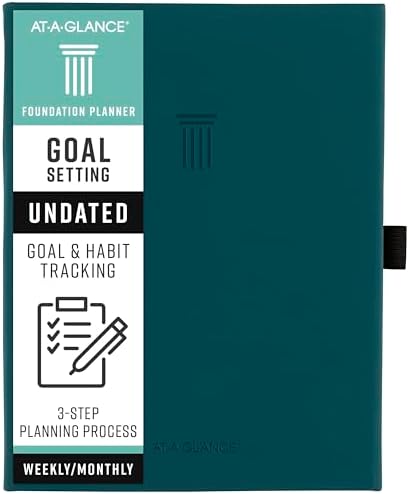
Monthly Goal Setting: How to Reset and Stay on Track
If your monthly goal setting routine keeps collapsing under the weight of diapers, deadlines, and that mysterious pile of tangled headphones — you’re not alone. A fresh month rolls in, grand plans roll out, and suddenly you’re just surviving again. So how do you reset without restarting your life? Let’s build a game plan that actually sticks.
Why Monthly Goals Work Better Than Daydreams

You could chase motivation like a cat after a laser pointer, or you could build a structure that nudges you forward even on the days you don’t feel like moving. Monthly goals strike a balance between big-picture thinking and real-world action. They’re specific enough to be useful, but flexible enough to adapt as life throws curveballs.
– They create a clear north star for 30 days.
– They segment big ambitions into bite-sized tasks.
– They invite quick wins that fuel momentum.
– They’re easy to review and adjust at month’s end.
If you’ve ever started something world-changing in January and forgotten it by February, you’re not alone. Monthly goals help you harness momentum without burning out.
Start With What You Really Want to Achieve

Before you write a single goal, ask yourself: what do I actually want by the end of this month? Be honest about what’s doable, not what feels glamorous on social media. This is about you, not an audience.
– Write down 2–3 outcomes you care about most.
– Tie each outcome to a concrete, observable result (not “get better at X” but “complete Y task” or “save Z dollars”).
– Rank them by importance so you know what to protect when time gets tight.
Pro tip: If a goal doesn’t pass the “do I actually enjoy doing this?” test, rewrite it. Enjoyment is motivation’s best friend.
Break Goals Into Mini-Tasks You Can Do This Week
Big goals can feel like mountains. The trick is to break them into stair steps you can climb in blocks of time.
– Create 4 weekly tasks that push each goal forward.
– Keep daily tasks tiny and non-negotiable (e.g., 15 minutes of work, one small action, no excuses).
– Schedule tasks on your calendar like appointments.
How To Make Tasks Suck Less
– Pair a boring task with a song you love. Music makes momentum easy.
– Use a timer. The Pomodoro technique isn’t medieval torture; it’s just focus with breaks.
– Celebrate tiny wins. A 5-minute victory dance beats guilt any day.
Reset Without Feeling Like a Failure

Failures aren’t flags of doom; they’re data. If you miss a milestone, don’t panic—pivot. The key is a fast, compassionate reset.
– Do a quick retrospective: what blocked me? what helped?
– Re-prioritize quickly. Move the most important tasks to the front.
– Reset your expectations: it’s a month, not a lifetime.
- Identify one blocker from last month that sabotaged your progress.
- Rename one task to something you actually want to do (soften the pain).
- Set one new micro-goal for the week that you can actually complete.
Make It Visible: Your Monthly Goal Board
If a goal slips away in your head, it’s likely because you forgot it. Put it somewhere you’ll see every day.
– Create a small board or a wall chart with 2–4 goals.
– Use color-coded progress markers (green for done, amber for in progress, red for blocked).
– Add a weekly “check-in” moment to your routine.
What To Include On Your Board
– The 2–3 main outcomes for the month.
– 4 weekly tasks per goal (so you’re not staring at a sea of tasks).
– A “blocker” section where you jot what’s slowing you down.
Accountability Without Nagging

You don’t need a drill sergeant to stay on track. You need a lightweight accountability system that respects your autonomy.
– Pair up with a friend for a quick weekly check-in.
– Use a habit-tracker or a simple checklist you review Friday afternoons.
– Schedule a monthly “retrospective” call with yourself (or your accountability buddy).
Gamify The Process, If That Helps
– Earn a small reward after finishing each weekly task.
– Give yourself a funny badge for completing all tasks (yes, even the silly ones).
– Keep the bar realistic—no one climbs Everest in slippers.
Dealing With Distractions, One Step At A Time
Distractions aren’t villains; they’re noise. You can still win by acknowledging them and setting guardrails.
– Define your “deep work” window each day (even if it’s just 30 minutes).
– Block time on your calendar for tasks that require focus.
– Create a quick, friendly refusal script for interruptions.
Handling Unexpected Life Like a Pro
– Build a one-week contingency plan for major disruptions.
– If you miss a deadline, shift all downstream tasks by a day or two, not a week.
– Keep a small backlog of optional tasks you can swap in when life leaks time.
Regular Review: The Month-End Checkpoint
End-of-month reviews aren’t punishment; they’re your biggest ally. They show you what worked, what didn’t, and what to keep or drop.
– Answer 3 quick questions: What moved forward? What didn’t? What’s one tweak for next month?
– Celebrate what you accomplished, no matter how small.
– Decide which goals carry over and which get retired.
Questions To Ask During Review
– Which task produced the most momentum, and why?
– Which distraction mattered the least, and how can I protect against it?
– Is there a better micro-goal structure for next month?
FAQ
How Do I Choose Realistic Monthly Goals?
Start with outcomes you genuinely want and check your calendar for time feasibility. If it requires miraculous productivity or a clone, it’s not realistic. Break it into 4–6 concrete tasks you can reasonably finish in a month.
What If I Fail To Meet My Monthly Goals?
Failing isn’t fatal; it’s feedback. Reassess, reframe, and reset. Adjust your priorities, shorten or shift tasks, and try again with a fresh plan. Progress, not perfection, wins in the long run.
How Often Should I Review My Goals?
Do a quick weekly pulse check and a deeper month-end review. Weekly reviews keep you aligned, and monthly reviews give you the big picture and the chance to course-correct.
Do I Need A Mentor Or Coach?
Not technically, but accountability helps. A buddy, a coach, or a friendly mastermind can push you kindly, celebrate wins, and help you spot blind spots you might miss alone.
Can I Adjust My Goals Mid-Month?
Absolutely. Life happens. If a goal stops feeling relevant or feasible, re-scope it. The point is progress, not rigid compliance.
Conclusion
Monthly goal setting isn’t about rigid discipline or chasing perfection. They’re a practical toolkit for turning intention into momentum. You define the outcomes, break them into doable steps, and keep a light-touch system that reminds you to show up. With a clear plan, a dash of accountability, and a dash more humor, you’ll reset each month with confidence and actually stay on track. Ready to test-drive this approach next month? Your future self will thank you.